Home Inspection Fall Creek: A Smarter Path to Lower Energy Bills and Better Home Comfort
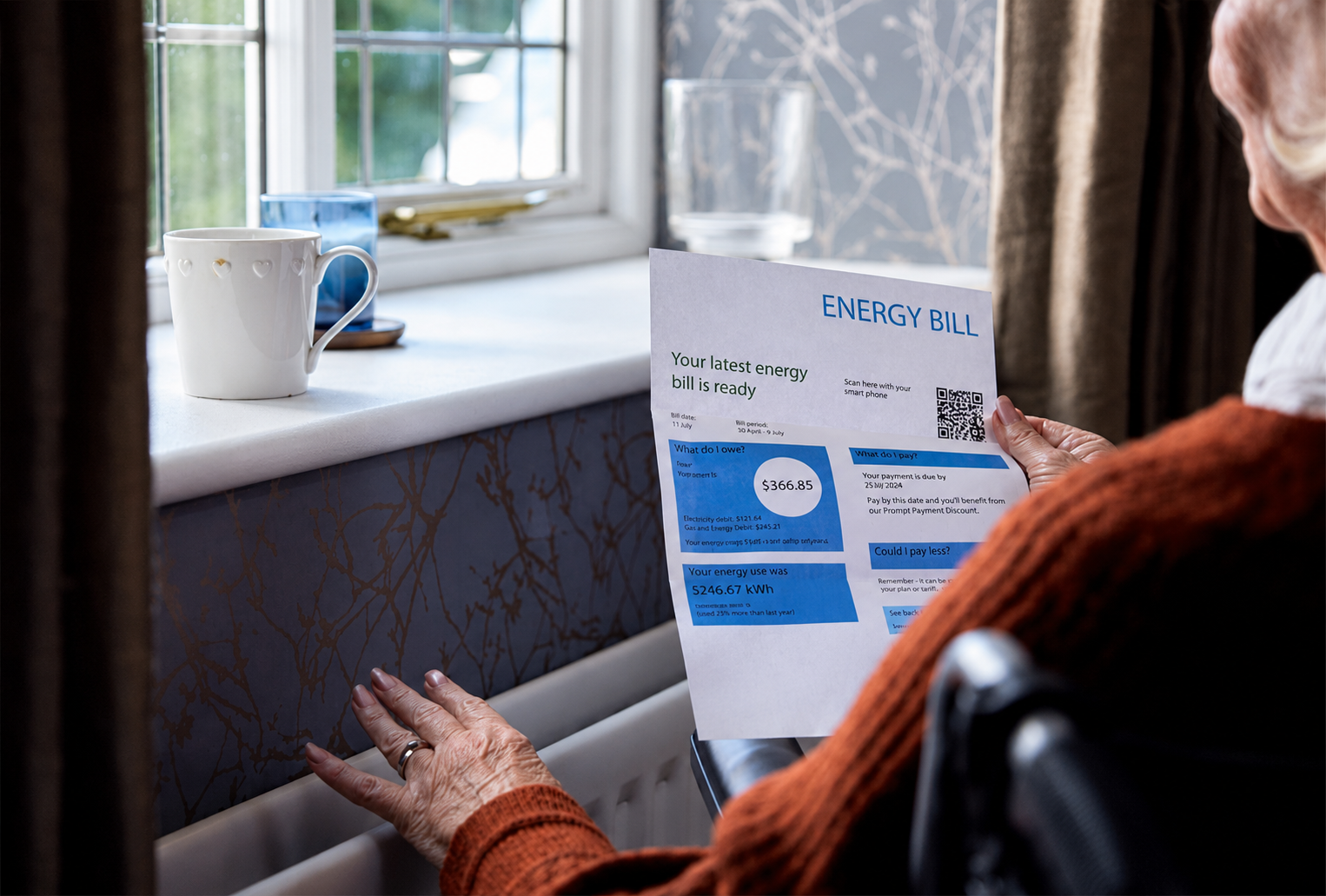
High electricity bills do not always mean your HVAC system is the problem. Sometimes, the issue is much simpler. Cooled air may be slipping through small gaps around the house, attic insulation may be thin or uneven, or certain rooms may be taking on more heat than others.
A professional energy inspection in Fall Creek can help identify these trouble spots and explain what may be affecting your home's comfort and efficiency.
At Accurate Home and Commercial Services, we inspect residential and commercial properties throughout Greater Houston. We also provide third party energy evaluations for new construction and major renovation projects when applicable energy code requirements are part of the job.
Older homes deserve some context, too. A component that does not match today's construction standards is not automatically defective or ready for replacement. The condition, age, installation, and purpose of the inspection all matter.
Why Fall Creek homes benefit from an energy inspection
Fall Creek homeowners deal with Houston heat and humidity for much of the year. When cooled air escapes or outdoor heat enters the home, the air conditioning system may need to work harder to maintain a comfortable temperature.
Common problem areas include windows, exterior doors, attic openings, plumbing penetrations, electrical openings, and uneven insulation. Even newer homes can have energy efficiency concerns if insulation or sealing was not installed properly.
An energy inspection helps identify which conditions may be worth correcting so homeowners can focus on practical improvements instead of unnecessary repairs.
What a professional home energy inspection covers
A home energy inspection evaluates accessible areas that may affect energy use and indoor comfort. This can include insulation, windows, exterior doors, attic access points, visible openings, duct connections, ventilation, and other areas where heat or air may move between spaces.
New construction and major renovation projects may also require third party IECC inspections. Some projects may use REScheck or COMcheck documentation to demonstrate compliance with applicable energy efficiency requirements.

Inspections are generally limited to areas that can be safely accessed and observed. Finished walls, ceilings, and other concealed spaces are not normally opened during the inspection.
The final report should explain what was observed, why it matters, and whether repair, maintenance, or further evaluation may be appropriate.
How Inspectors Find Air Leaks, Insulation Gaps, and HVAC Energy Loss
Air leaks around plumbing, wiring, attic access points, doors, and windows can increase energy use. Missing or uneven insulation may also cause rooms to feel different temperatures.
When conditions allow, infrared thermal imaging can help identify unusual temperature patterns. Inspectors may also check accessible ductwork for damage, disconnections, or visible leaks.
These findings can explain comfort or efficiency concerns but cannot guarantee specific energy savings.
Common Energy Efficiency Problems in Greater Houston Homes
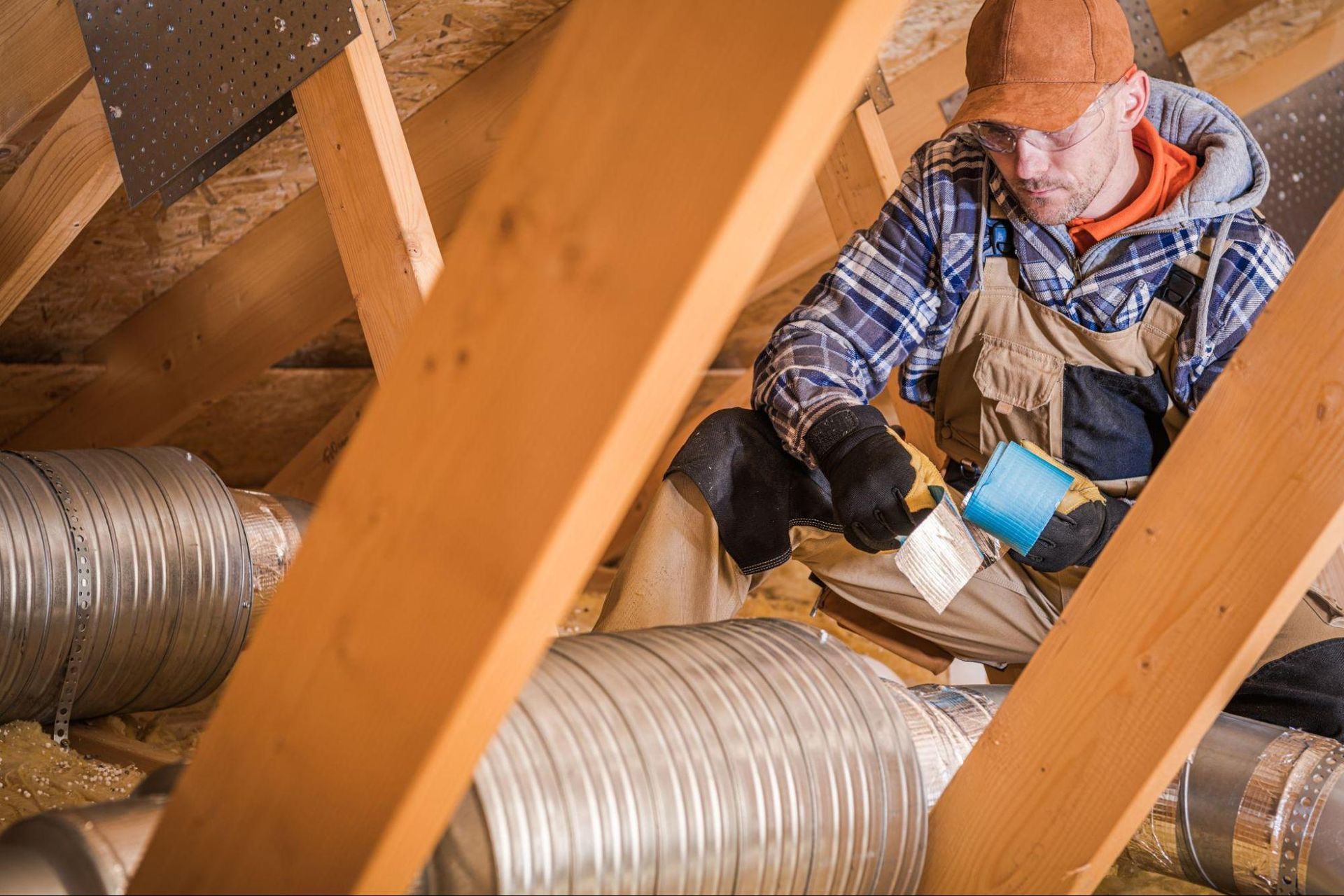
Attic Insulation plays an important role in controlling heat transfer in Greater Houston homes. When insulation is thin, missing, or uneven, more heat may reach the living areas below.
Air can also move through gaps around ceiling openings, windows, doors, utility lines, and other penetrations. Aging caulk, storm exposure, renovations, and normal structural movement may create additional gaps over time.
Newer homes can have different concerns, including incomplete insulation coverage or openings that were not properly sealed. These findings do not automatically mean a home is poorly built. They simply identify areas where energy performance may be improved.
Understanding Your Energy Inspection Results
A useful inspection report should explain what was found and what action, if any, may be appropriate.
Recommendations may include sealing accessible gaps, improving weatherstripping, correcting displaced insulation, or having a qualified contractor evaluate a specific component.
The appropriate solution depends on the property's age, construction, condition, and inspection purpose. Energy code requirements can also vary by project and location.
Energy savings will vary as well. Some improvements may primarily make a room more comfortable, while larger corrections may have a greater effect on overall efficiency. The purpose of the report is to help property owners make informed decisions rather than promise a specific amount of savings.
How to Prepare for an Energy Inspection in Fall Creek
Preparing for an inspection is simple. Ensure attic entrances, mechanical equipment, electrical panels, windows, doors, and other areas are accessible. Secure pets, and have building plans, previous inspection reports, REScheck or COMcheck documents, and improvement records available if possible.
Also share any concerns, such as drafts, warmer rooms, condensation, or unusual changes in energy use.
Conclusion

A Home Inspection Fall Creek property owners schedule with an energy focus can help uncover air leaks, insulation problems, duct concerns, and other conditions that may affect comfort and energy efficiency.
Accurate Home and Commercial Services works with existing homes, commercial properties, renovations, new construction, and projects that require energy code inspections throughout Greater Houston.
The goal is to give you clear information about your property so you can decide what is worth repairing, improving, or monitoring.
To discuss the right inspection for your property, Contact Accurate Home and Commercial Services. Call (281) 745-0234 for a Free Quote.
Energy Inspection FAQs for Fall Creek Properties
What does an energy inspection in Fall Creek typically assess?
An energy inspection may evaluate insulation, air sealing, windows, exterior doors, attic access, duct connections, ventilation, and other accessible areas that affect energy use and indoor comfort.
Why should Fall Creek homeowners consider an energy inspection?
Fall Creek homes experience long periods of heat and humidity. Air leaks, uneven insulation, and unwanted heat can make rooms harder to cool and increase the workload on the air conditioning system.
How do inspectors find air leaks and insulation problems?
Inspectors examine accessible areas where leaks commonly occur, including windows, doors, attic openings, plumbing penetrations, and other visible gaps. Infrared thermal imaging may also be used when conditions are suitable.
Can newer Fall Creek homes have energy efficiency problems?
Yes. Newer homes may still have missing insulation, uneven coverage, or poorly sealed openings. An inspection can help identify these concerns early.
What are REScheck and COMcheck?
REScheck and COMcheck are tools used to document energy code compliance for certain residential and commercial projects. Requirements depend on the project and local authority.
How should property owners prepare for an energy inspection in Fall Creek?
Make sure the inspector can access the attic, mechanical equipment, windows, doors, and other inspection areas. Keep relevant plans or previous reports available and mention any comfort or energy concerns you have noticed.