FHA Home Inspection in Greater Houston: Elevate Your Living Standards
An FHA home inspection in Greater Houston helps owners evaluate insulation, HVAC, ductwork, and air sealing so the home runs safely, efficiently, and in line with current energy codes.
Buying or selling a home through FHA financing already feels complicated without extra surprises from inspections, appraisals, or last‑minute repair demands.
We talk every week with Greater Houston buyers and sellers who feel blindsided by FHA conditions, unsure what an FHA inspector or appraiser really cares about, and worried that one missed item might derail closing.
At Accurate Home and Commercial Services, we provide licensed, insured, and code‑based inspection support across Greater Houston, including FHA and HUD related reviews, IECC third‑party inspections, and full general home inspections.
We focus on clear explanations, organized reports, and practical repair guidance so clients can move through FHA transactions with less uncertainty and fewer surprises.
How FHA Home Inspections Differ From Standard Home Inspections
Most buyers hear about three different evaluations at once and everything starts to blur together: the FHA appraisal, an FHA‑focused home review, and the standard TREC home inspection. We separate those pieces so you can see where each one fits.
FHA Minimum Property Standards in Plain Terms
FHA financing follows Minimum Property Standards built around three core requirements: the property must be safe, sound, and secure. An FHA‑focused review looks at health and safety, structural stability, and basic livability.
That usually means closer attention to things like roof leaks or active moisture problems, trip hazards and missing handrails, exposed wiring and electrical safety, reliable hot water, heating, and cooling, proper water supply and functional plumbing, and peeling paint on homes built before 1978.
We inspect using Texas Real Estate Commission (TREC) Standards of Practice, then layer FHA and HUD expectations onto the same systems so you understand both general condition and loan‑specific concerns.
FHA Appraisal vs. FHA Home Inspection
An FHA appraisal and an FHA home inspection are not the same. The FHA appraisal establishes market value for the lender and notes obvious safety or condition issues. The FHA home inspection gives the buyer a detailed look at structure, systems, and safety conditions.
Appraisers do not test every outlet, walk every roof surface, or document mechanical systems in depth. Their job is value and basic safety.
We often perform FHA‑style inspections at the same time as a standard home inspection so buyers see both the overall condition of the home and the issues most likely to concern lenders or HUD. For an appraisal please consult with a private appraisal company or your local realtor.
Why FHA Rules Matter in Greater Houston
Greater Houston includes older bungalows, quickly built subdivisions, and homes that have been through multiple storm and repair cycles. Quality can vary house‑to‑house, even on the same street.
FHA rules matter here because some neighborhoods sit in flood‑prone areas with settlement and drainage concerns, older properties often have electrical or safety issues that do not meet current expectations, and additions or garage conversions may lack permits or code‑level work.
We use our regional experience in Porter, Humble, The Woodlands, Pasadena, Baytown, Clear Lake, and nearby communities to put findings in context so you know what’s typical for the area and what could threaten financing or safety.
FHA Inspection Requirements: What Lenders and Appraisers Look For
Lenders and FHA appraisers focus on anything that could affect:
- Health and safety
- Structural soundness
- Basic, reliable operation of major systems
We align our inspections with those priorities so you see potential problems early instead of days before closing.
Health and Safety Issues That Can Trigger FHA Repairs
Health and safety items are the fastest way to delay or condition an FHA closing. Common examples include:
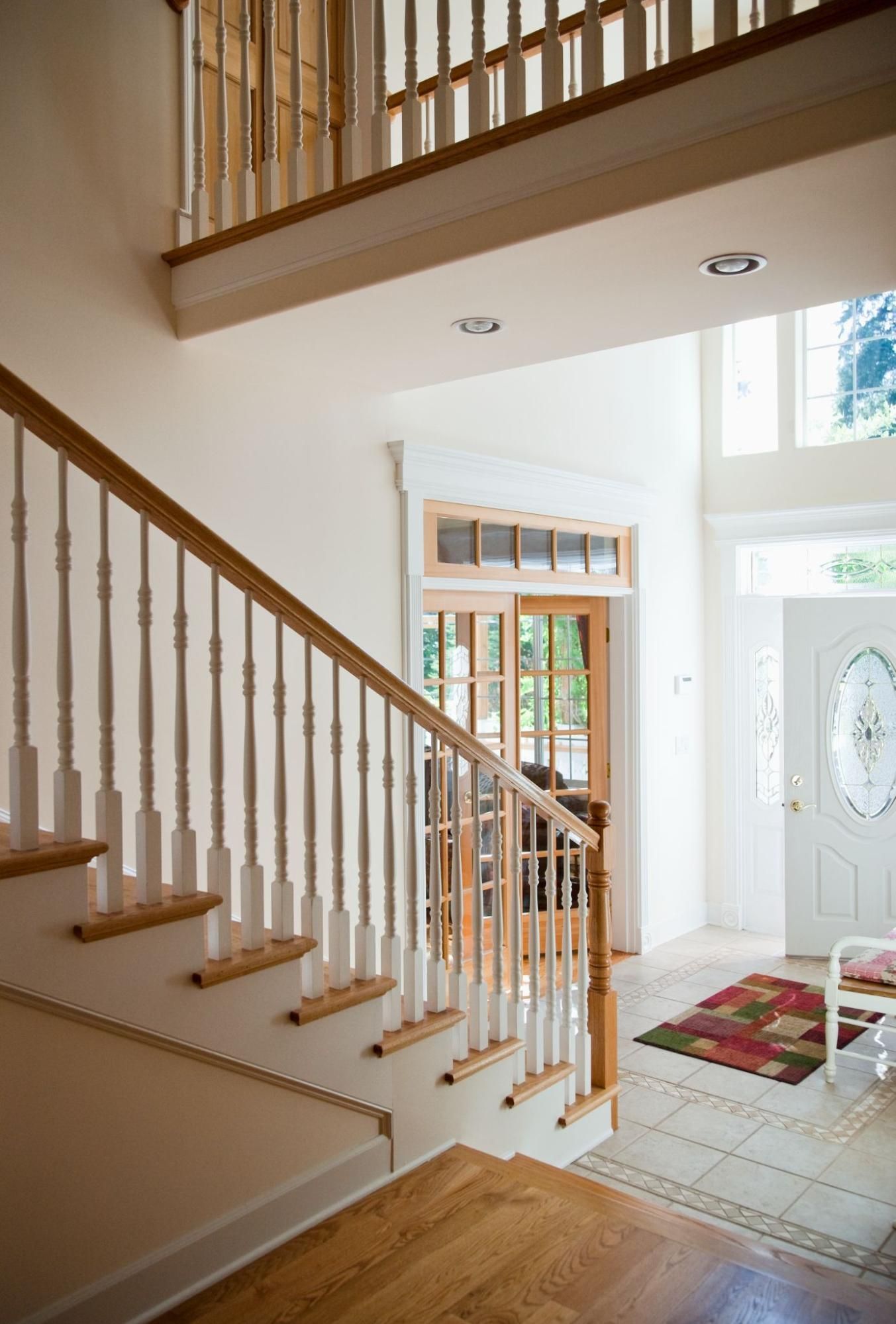
- Missing or damaged handrails on stairs
- Loose or damaged steps, porches, or decks
- Missing or nonfunctional smoke and carbon monoxide alarms where required
- Exposed electrical wiring or missing cover plates
- Evidence of active roof leaks or significant interior water damage
- Broken windows or doors that do not close or lock properly
We flag these clearly and explain which ones most often rise to the level of lender‑required repairs.
Structural and Mechanical Systems Under FHA Scrutiny
FHA loans require homes that are structurally stable and mechanically functional. Systems do not have to be new, but they must operate safely and reasonably.
Areas that receive extra attention:
- Foundation performance and visible movement
- Roof condition and approximate remaining life
- HVAC operation and basic distribution
- Water heater installation, venting, and safety controls
- Main electrical panel condition and grounding
- Plumbing leaks, drainage, and water pressure
We evaluate these components under TREC standards, then show how the findings relate to FHA expectations.
When a property also needs an IECC third‑party inspection near Humble TX or nearby cities, we can extend the review to cover insulation, ductwork, and basic home energy inspection in Greater Houston checks in the same visit.
Common FHA Red Flags in Older Houston‑Area Homes
Older homes in Greater Houston often perform well under FHA, yet certain patterns show up repeatedly:
- Outdated electrical panels or ungrounded outlets
- Missing or insufficient GFCI protection in kitchens, baths, garages, and exteriors
- Aging roofs with patchwork repairs or prior leak history
- Inconsistent foundation performance on clay soils
- Single‑pane windows with deteriorated frames or glazing
We document these issues and help buyers and agents focus on the items most likely to attract FHA attention or repair conditions.
Local Factors in Greater Houston That Affect FHA Inspections
Greater Houston’s heavy rain, humidity, and shifting soils influence how homes age and how FHA inspectors and appraisers view risk.
Flood Zones, Drainage, and Foundation Concerns
Many local neighborhoods sit in or near mapped flood zones. Appraisers and underwriters watch closely for:
- Past flood damage that was never fully repaired
- Moisture wicking up walls or through slabs
- Poor grading that drains water toward the foundation
We look for ponding, erosion, and improper downspout extensions that can weaken foundations, plus cracks, movement, and door or window misalignment—especially in previously flooded areas.
HVAC, Insulation, and Humidity in Our Climate
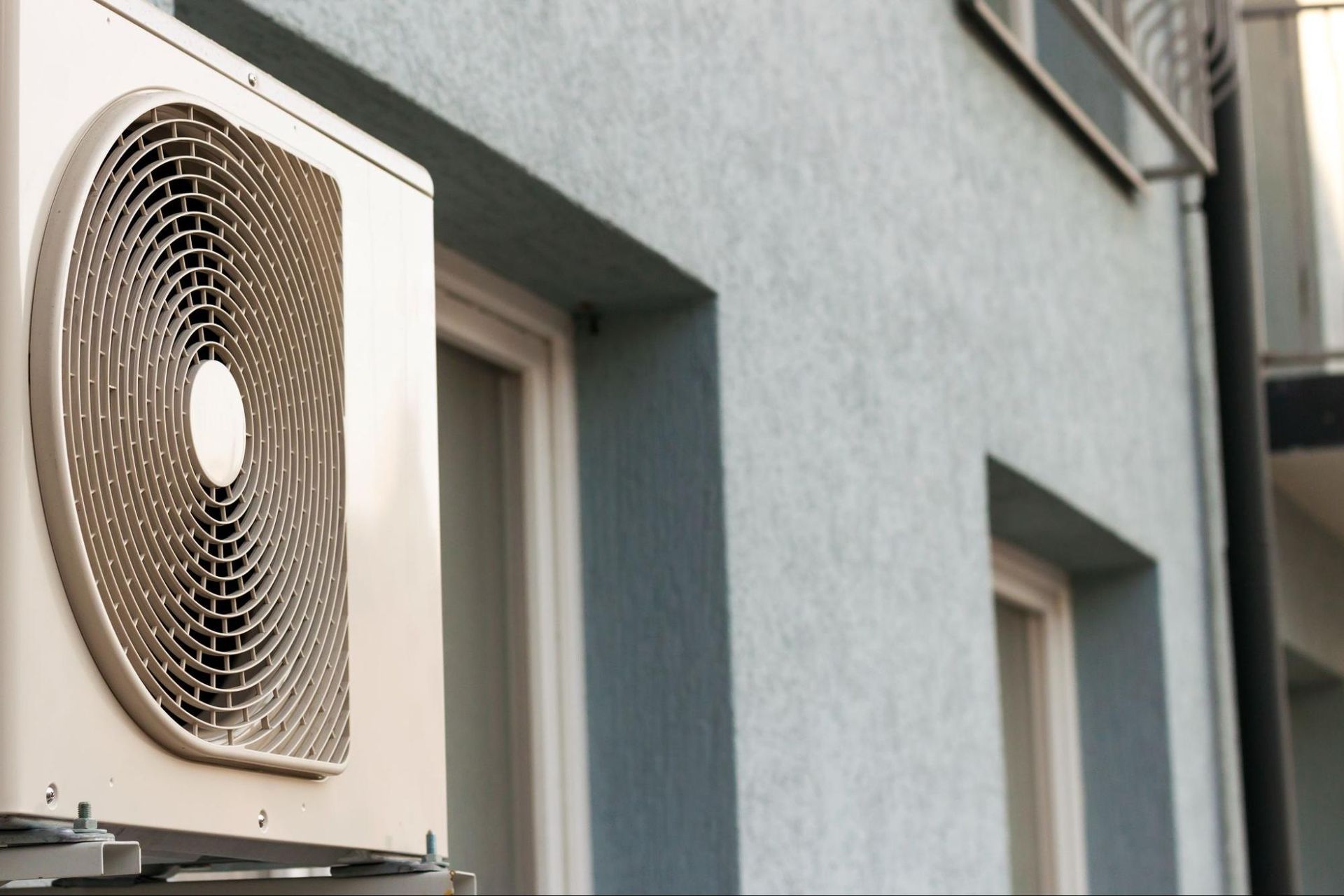
Houston’s humidity stresses HVAC systems and insulation. Weak, unbalanced, or poorly designed systems can lead to comfort complaints, condensation, and moisture‑related problems that concern FHA reviewers.
We often see:
- Undersized or poorly distributed HVAC systems
- Condensation at supply registers and along ductwork
- Inadequate attic ventilation
- Thin or missing insulation, especially near eaves
Our IECC inspections and energy review background lets us connect thermal performance to FHA expectations about durability and indoor conditions.
Owners seeking deeper efficiency and comfort insights often schedule a separate home energy inspection in Greater Houston to evaluate the building envelope, duct leakage, and insulation in more detail.
Neighborhood, Utilities, and Access Requirements
Beyond the house itself, FHA also expects basic stability and access:
- Safe, reasonable access from a public street or permanent easement
- Utilities capable of providing adequate, continuous service
- Appropriate separation and access for multi‑unit properties
We help buyers spot when shared driveways, private roads, or unusual utility setups might add extra lender review or documentation.
Preparing Your Greater Houston Home for an FHA Inspection
A bit of smart preparation reduces last‑minute surprises and gives both buyers and sellers more control over timing, repairs, and closing.
We regularly help sellers, investors, and real estate agents with FHA‑style prep inspections and quick walkthroughs focused on the most common FHA issues in Greater Houston’s climate and housing stock.
Pre‑Inspection Walkthrough Checklist for Sellers

A short walkthrough before listing—or before the FHA appraiser arrives—can prevent many avoidable delays. Focus on:
- Testing all smoke alarms and installing any missing units where required
- Checking toilets, sinks, and tubs for leaks, drips, or slow drains
- Confirming all utilities are on and major systems are accessible
- Clearing access to the attic, electrical panel, water heater, and crawl spaces
- Fixing obvious trip hazards on steps, porches, and walkways
Our general home inspections in Greater Houston are designed to flag FHA‑sensitive issues early. When needed, we can also coordinate pest, sprinkler, or infrared add‑on inspections to give you a more complete FHA‑ready picture.
Conclusion
An FHA home inspection in Greater Houston works best when buyers, sellers, and lenders share clear information about safety, structure, and basic performance.
We use licensed, insured, code‑based methods that align with TREC, FHA, HUD, and IECC expectations, giving you practical insight instead of guesswork.
Whether you need an FHA‑focused home inspection, help with HUD documentation, or a broader home energy inspection in Greater Houston to understand comfort and efficiency, our local experience across Porter, Kingwood, Spring, The Woodlands, Pasadena, Baytown, and nearby communities keeps the process straightforward and manageable.
Contact us today to discuss your FHA inspection needs and plan a clear path to a safer, more comfortable, and FHA‑ready property.
FAQs
What is the difference between an FHA home inspection and a standard home inspection?
An FHA home inspection places additional emphasis on safety, livability, and basic performance items that can affect FHA loan approval, while a standard inspection may focus more generally on condition and maintenance needs.
Who pays for the FHA home inspection in Greater Houston?
Typically, the buyer pays for the FHA home inspection as part of their due‑diligence costs, but payment arrangements can sometimes be negotiated in the purchase contract.
Can I attend the FHA inspection?
Yes. It’s recommended that buyers attend the inspection so they can see issues firsthand, ask questions, and better understand the report and any FHA‑related concerns.
What happens if the home does not meet FHA standards?
If the inspector or FHA appraiser identifies issues that affect safety, structure, or basic livability, the buyer and seller can negotiate repairs. Once the issues are corrected and verified, the
FHA loan process can usually move forward.