Alex Adabashi, Real Estate Expert
LinkedIn, Alex & Joanna Adabashi - The Adabashi Group

Buying or owning property feels straightforward during a standard walkthrough. Fresh paint, clean floors, solid curb appeal. The problem is that many of the most expensive risks live out of sight. Behind walls. Under slabs. On rooftops nobody climbs. That’s why property inspection tools are changing fast, and why buyers and owners who rely only on traditional inspections are often surprised later.
Today’s emerging inspection practices focus on visibility and proof. They help people understand how a building actually behaves, not just how it looks on a good day. Below is a clear breakdown of the most useful shifts happening right now and why they make inspections far more actionable.
Quick takeaways from today’s leading inspection experts:

“In my experience, the biggest improvements in inspections are coming from tools that help buyers see what they normally can't during a quick walkthrough.”
That insight from Alex and Joanna Adabashi reflects a big shift in how property inspection tools are being used. Thermal imaging, in particular, has moved from optional add-on to near essential. It allows inspectors to detect moisture intrusion, missing insulation, and electrical irregularities that aren’t visible to the naked eye.
What makes this powerful is timing. Catching a small leak early can prevent mold, structural damage, and long remediation timelines. Homes that appear move-in ready often hide these issues, especially in climates with heavy humidity or aging construction.
Sewer scope inspections fall into the same category of overlooked but critical tools. Buyers often skip them for single-family homes, assuming major issues would be obvious. In older neighborhoods, cracked or collapsed sewer lines are surprisingly common and painfully expensive to fix after closing.
Drone technology rounds out this category by giving inspectors safe access to roofs and drainage systems. Multi-story homes and commercial buildings benefit the most here. Instead of assumptions or partial views, buyers get clear visuals of flashing, wear patterns, and water flow.
As Alex and Joanna point out, the real improvement isn’t just better tools. It’s clearer communication through digital reports with photos, videos, and priority markers that help buyers understand what truly needs attention.

Alex Adabashi, Real Estate Expert
LinkedIn, Alex & Joanna Adabashi - The Adabashi Group
“Collecting moisture, air quality, and thermal data over time reveals risks that humans just can't catch in a short visit.”
Nikita Sherbina highlights where inspections are heading next. Instead of relying on a single walkthrough, continuous sensor-based monitoring creates a living profile of a building. Moisture levels fluctuate. Air quality changes. Electrical systems heat and cool under different loads. One visit rarely captures those patterns.
AI-assisted thermal tools can flag insulation failures or electrical stress long before visible damage appears. These are issues that often stay hidden for years until repair costs spike. Data histories tell a deeper story than static reports ever could.
This approach is especially useful for commercial buildings and investment properties. Owners gain insight into how the structure performs across seasons, occupancy levels, and usage cycles. It also helps shift inspections from reactive problem-solving to proactive planning.
For buyers, asking for data over time rather than a snapshot changes the conversation. It turns inspections into an evaluation of behavior, not appearances. As Nikita puts it, inspections are becoming about understanding how a building lives and breathes.

Nikita Sherbina, Co-Founder & CEO
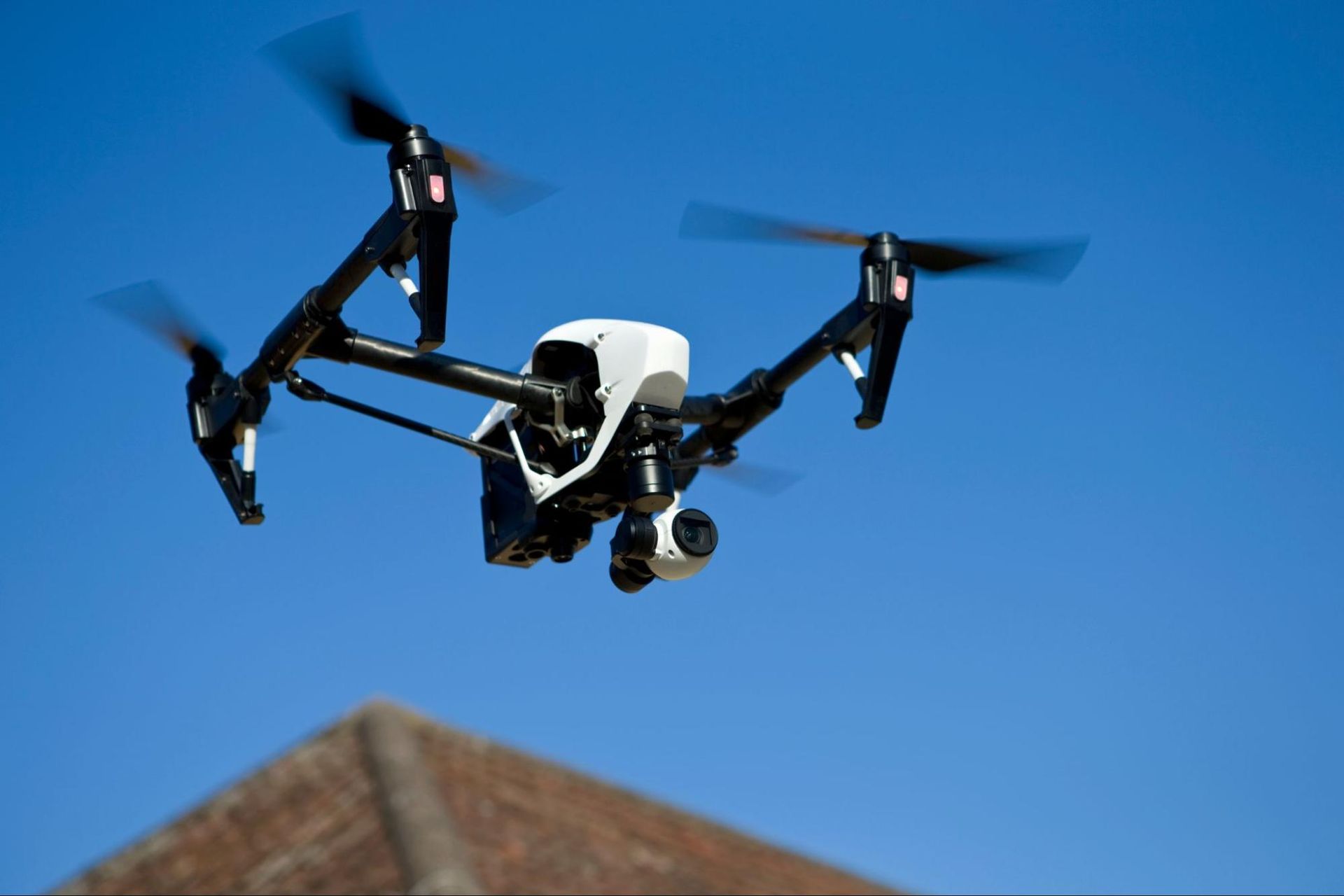
“Drones… could help tremendously.”
Seamus Nally’s point is simple and practical. Roof inspections are critical, but safety limits what inspectors can physically access. Tall structures and bad weather often mean deferred or partial inspections. Drones solve that problem cleanly.
They provide high-resolution visuals without risking injury or requiring specialty crews. Buyers see real conditions, not assumptions. Commercial properties benefit even more, where roof damage, drainage issues, and flashing failures can lead to major operational costs.

Seamus Nally, CEO
Jacob Rhodes takes this one step further, emphasizing standardized evidence capture. Combining drones, thermal imaging, and moisture confirmation, then presenting it visually, turns inspection results into something people actually understand.
“That is what makes hidden risks understandable, not just detectable.”
Annotated visuals replace long paragraphs. Buyers grasp severity faster. Owners prioritize repairs more confidently. This is where
property inspection tools truly improve outcomes, not just reports.
Modern inspections aren’t about adding complexity. They’re about clarity. The best
property inspection tools today help buyers and owners see risks early, understand them quickly, and act with confidence. Thermal imaging, drones, sewer scopes, and continuous monitoring all serve the same goal. Fewer surprises after closing and smarter decisions before money changes hands. When inspections focus on proof instead of guesswork, everyone walks away better prepared.




STAY UPDATED
Stay updated to receive latest news & updates.
CONTACT DETAILS
Office Location: 18376 Cooper Rd Conroe, TX 77302
Phone: (281) 745-0234
Email: homeoffice.doublelf@gmail.com
Accurate Inspect TREC# 4860
Accurate Construction TRCC# 32693
Accurate Insect & Pest Control TPCL# 0616331
RAS (Registered Accessibility Specialist)
TDLR license #1698
ICC Code Certifications #5188493
QUICK LINKS
BUSINESS HOURS: