
Cory Buscher, Owner
Inspection Insights That Help Buyers Avoid Costly Surprises
Edward Fisher • February 8, 2026
A good inspection does more than flag problems. It helps buyers and property owners understand risk early, weigh real costs, and make confident decisions before surprises turn expensive. The most effective inspectors know how to spot issues others miss and explain what those findings mean in plain language.
We asked industry professionals to share one inspection insight or diagnostic approach that consistently saves clients money, along with how inspectors can communicate those findings clearly early in the process. Their answers point to a common theme: early visibility plus simple explanations change outcomes.
Here’s what they had to say.
Spot Water Damage Before You Buy
Water damage remains one of the most expensive and underestimated risks in residential property.
Cory Buscher points out that signs of water issues often appear long before buyers notice them, if they know where to look.
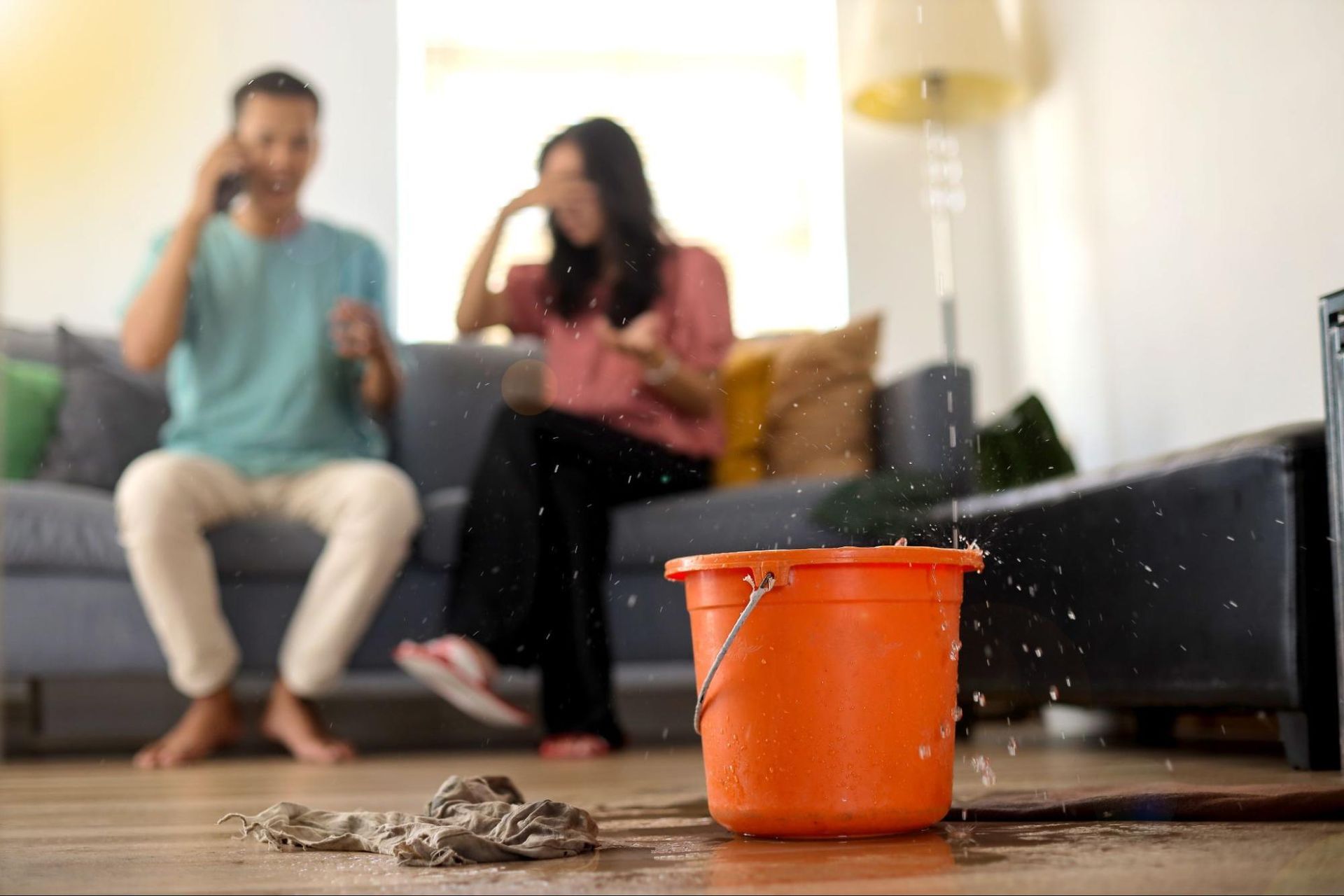
“The biggest thing I've seen in my years doing real estate in Boise is anything to do with water damage. The way to go about finding this is to check if there's any spots on the ceiling, any pooling water around outside the foundation, or checking the basement/crawlspace. In the ceiling if you see any yellow spots, this is a huge giveaway to see if there's bad plumbing or a leaking roof with both being usually very high ticket expenses. If you're walking around outside and see any pooling water around the foundation, this could signal an uneven structure making it more likely for there to be foundation damage causing the basement or crawl space to take on water. Lastly, it ends with checking the basement/crawlspace itself to see if there's any dry water spots or signs of any water that has gotten into the property. Anything to do with water is always the most expensive thing to replace because it always leads back to high ticket items.”
Clear communication here means connecting visual clues to real consequences. Buyers understand stains and standing water once they’re linked to roofs, plumbing, or foundations and the price tags that follow.

Span Charts Catch Undersized Joists Early
Structural issues don’t always look dramatic, but they can quietly lead to major rebuilds.
James Bonham explains how a simple, visual approach helps clients grasp structural risks fast.
“I come from the decking world, but here's something directly transferable: I've saved homeowners thousands by catching undersized joists and poor ventilation before they committed to a deck design or contractor. Same principle applies to home inspections--structural red flags caught early prevent expensive tear-outs later.
The clearest diagnostic I use is the ‘span chart walkthrough.’ I literally show clients a simple chart that maps joist size to allowable span, then we measure their existing or proposed structure together. When they see that their 2x6 joists are spanning 18 feet when code allows only 9, it clicks instantly. No jargon, just ‘this will sag or fail, and here's the fix.’ I've had contractors push back on upgrades until I pull out manufacturer span tables--data wins every argument.
For inspectors, I'd say use photos with annotations and keep a ‘cost if ignored’ column in your reports. When I document a popping fastener or standing water under a deck, I attach a rough repair cost estimate. Clients don't always understand technical terms, but ‘$1,200 board replacement now vs. $8,000 full joist rebuild in three years’ gets decisions made fast. That transparency builds trust and keeps small problems from becoming financial nightmares.”
Showing numbers side by side turns abstract risk into a clear decision.

James Bonham, Owner
Thermal Scans Uncover Hidden Moisture and Guide Repairs
Some of the most damaging issues never show up on the surface.
Cameron Figgins highlights how thermal diagnostics reveal problems traditional inspections can miss.
“Thermal diagnostics reveal the presence of moisture intrusion hidden in walls, ceilings, and slabs which are not normally easily revealed in the normal inspections. In property restoration, the timely identification of such failures will avoid the growth of molds, damages and decay of slabs, in the long term. Early detection of water movement behind finishes eliminates potential owners of silent structural hazards that may lead to extensive remedies at a later stage in their lives.
To water damage and restoration professionals, the conversion of that data into clear and annotated images creates immediate clarity. The reports must also be able to relate the thermal patterns to definite points of failure and give a practical solution in plain words, not technical inspection words. That enables subsequent steps to be implemented immediately.
Moisture diagnostics combined with feasible repair plan assists owners to make informed decisions at an earlier stage. It also coordinates inspections with prevention in the long term instead of short term solutions.”
Visual proof paired with straightforward explanations helps buyers act early rather than react later.

Cameron Figgins, Owner/President
LinkedIn, Absolute Maintenance and Consulting Inc.

Pre-Purchase Checks Prevent Costly Pool Surprises
Pools can be a hidden budget breaker when inspections miss site constraints and aging systems.
Lucas Pimenta has seen how early checks save buyers from five-figure surprises.
“I've built custom gunite pools across three states for 20+ years, and while I'm not a licensed home inspector, I work closely with them on nearly every project--especially renovations where hidden issues can destroy a budget before we even break ground.
The single most valuable inspection insight that's saved my clients tens of thousands: always check setback compliance and existing utility locations before buying a home where you plan to add a pool. I've seen buyers fall in love with a property, close the deal, then find their septic drain field sits exactly where they wanted the pool--requiring either a $15,000+ septic relocation or scrapping the pool plan entirely. In Georgia, we need 25-75 feet from drain fields depending on county. In Florida's coastal areas, we've also run into surprise easements and flood zone restrictions that weren't flagged during standard inspections.
For existing pool buyers, the biggest gotcha is hidden plumbing leaks and failing equipment that look fine on the surface. I've renovated dozens of pools in Wilmington and Gulf Breeze where homeowners bought a house with a ‘working pool,’ only to find out the pump was short-cycling, the heater was leaking gas, or underground plumbing had been patched with duct tape and prayers. A thermal imaging camera or simple pressure test during inspection catches these early--we use pressure testing on every renovation, and it reveals problems in about 40% of older pools.
The best inspectors I work with don't just list problems--they explain cost and urgency in plain English. Instead of ‘cracked coping notes,’ they'll say ‘coping needs replacement within 2 years, estimated $3,000-5,000, currently allowing water behind the shell.’ That clarity lets buyers negotiate properly or walk away before they're stuck with a $20,000 surprise six months later.”
Specific costs and timelines help buyers decide whether to move forward or renegotiate.

Lucas Pimenta, Owner
Final Takeaway
The inspections that save people the most money don’t rely on complex language or thick reports. They focus on early detection, visual proof, and plain-spoken explanations tied to real costs. When inspectors show buyers what the issue is, what happens if it’s ignored, and what it will likely cost, decisions get made faster and with fewer regrets.
That combination of insight and clarity is what keeps surprises from turning into financial pain later on.
Learn how a TAS/ADA inspection Huntsville helps property owners meet accessibility requirements, prepare for reviews, and avoid costly project delays.

Get a home inspection Fall Creek homeowners trust to find energy loss, improve comfort, lower energy bills, and make smarter home upgrades year round.
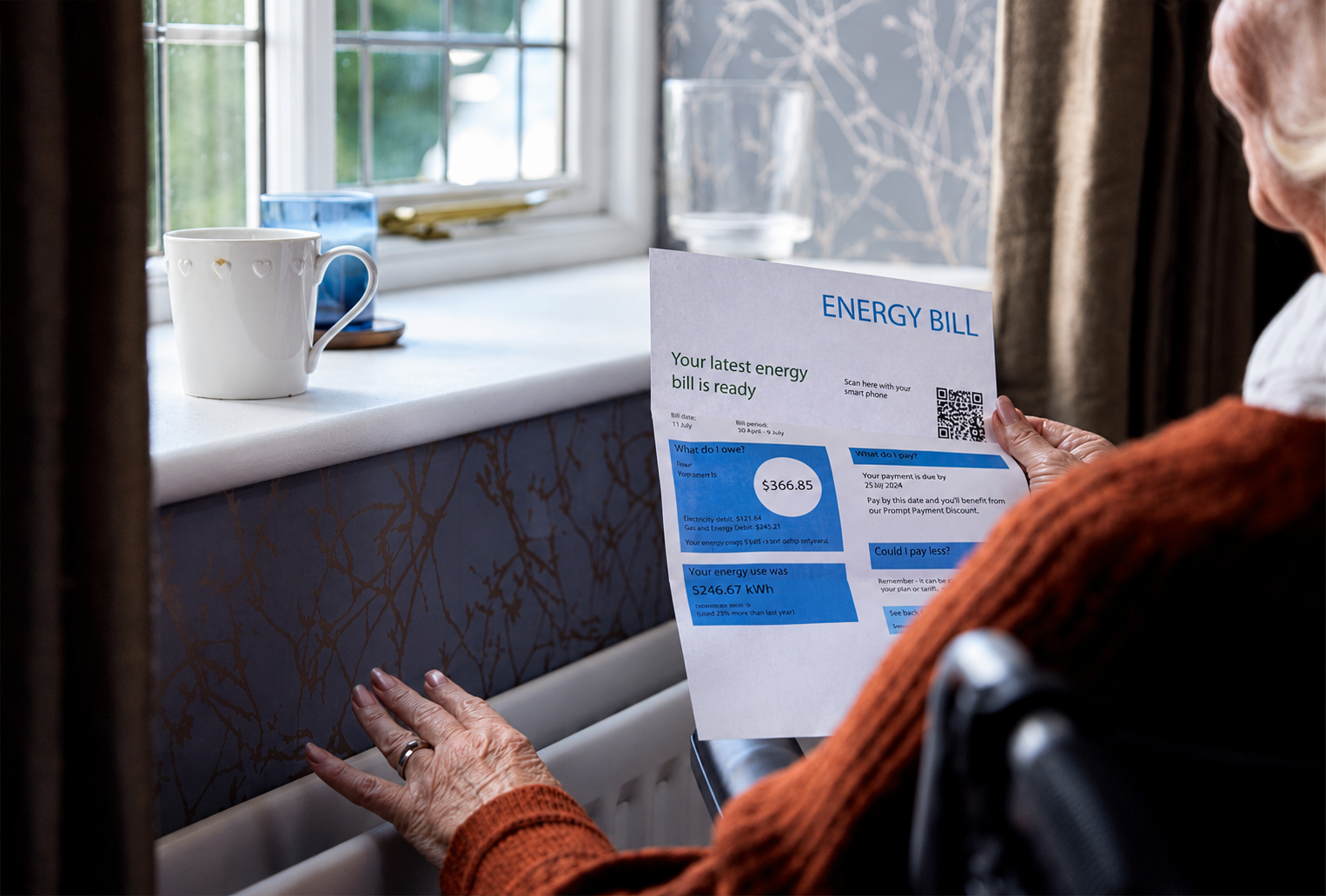
Energy inspection Summerwood services help identify air leaks, insulation issues, and heat transfer to improve home comfort and support energy savings.
Get reliable home inspection services in Cypress, TX. Learn what TREC standards cover, local soil risks, and how to plan your next move.
Need a home inspection in New Waverly, TX? Our TREC-licensed team evaluates structural, electrical, and plumbing systems. Schedule today!

Protect your home year-round. Get expert pest control in New Caney, TX for termites, rodents & roaches. Call Accurate Home & Commercial!

Schedule a trusted home inspection in Cleveland TX with Accurate Home and Commercial Services — 26 years of experience protecting your investment.
Looking for a home inspection League City buyers trust? Accurate Home and Commercial Services uncovers foundation, moisture, and structural issues in Galveston County.

Protect your home with expert Huffman Cleveland Rd area pest control. We treat termites, rodents, mosquitoes & more. Call for a free quote today!
Learn about pest control in The Woodlands, common pests, inspection tips, costs, and how to choose a reliable local provider.
