
Girish Songirkar, Delivery Manager, Enterprise Software Engineering
Operational Efficiencies That Protect Property Value Over Time
Edward Fisher • February 27, 2026
Operational efficiencies in residential and light commercial construction projects often determine whether a property performs well for decades or becomes a source of ongoing frustration. While finishes and visual appeal draw attention on move-in day, long-term value is shaped by decisions made behind the walls, inside the systems, and within the documentation process.
From digitized procurement records to climate-smart design and accessible infrastructure, small operational choices can significantly reduce maintenance costs, improve energy performance, and protect resale value. Builders and investors who prioritize these efficiencies are not simply completing projects. They are delivering durable, maintainable assets designed to support consistent performance and stronger owner satisfaction over time.
Digitize Procurement Handoff to Boost Property Performance
One of the most costly operational inefficiencies that get overlooked in residential and light commercial construction is the lost opportunity to digitize the handoff of procurement-to-maintenance data. Most project managers treat material sourcing as a transaction cost, while collecting detailed procurement data results in the creation of a permanent operations manual for the property owner. When an ERP tracks every individual fixture, HVAC component, and warranty detail in real-time, it reduces the information rot that typically occurs once the keys are given to the property owner.
Long-term property performance is greatly enhanced by this digital transparency since maintenance schedules will be based on actual, in-place data, rather than estimation. Builders who utilize a systems-first approach to construction will have property owners who are more satisfied with their buildings because they are able to provide a digital twin of the building that will make future repairs and renovations more straightforward. Rather than being focused on completing a project, these builders will be focused on delivering an asset that will perform well for many years and will be easier for the property owner to maintain.
Changing from a traditional paper-based tracking system to a centralized electronic system may seem overwhelming, especially during the hectic pace of constructing a building; however, the cost of losing data is much higher. This is a shift away from a mindset of using a build-and-forget methodology toward an asset-management mindset that will benefit the property owner for decades.

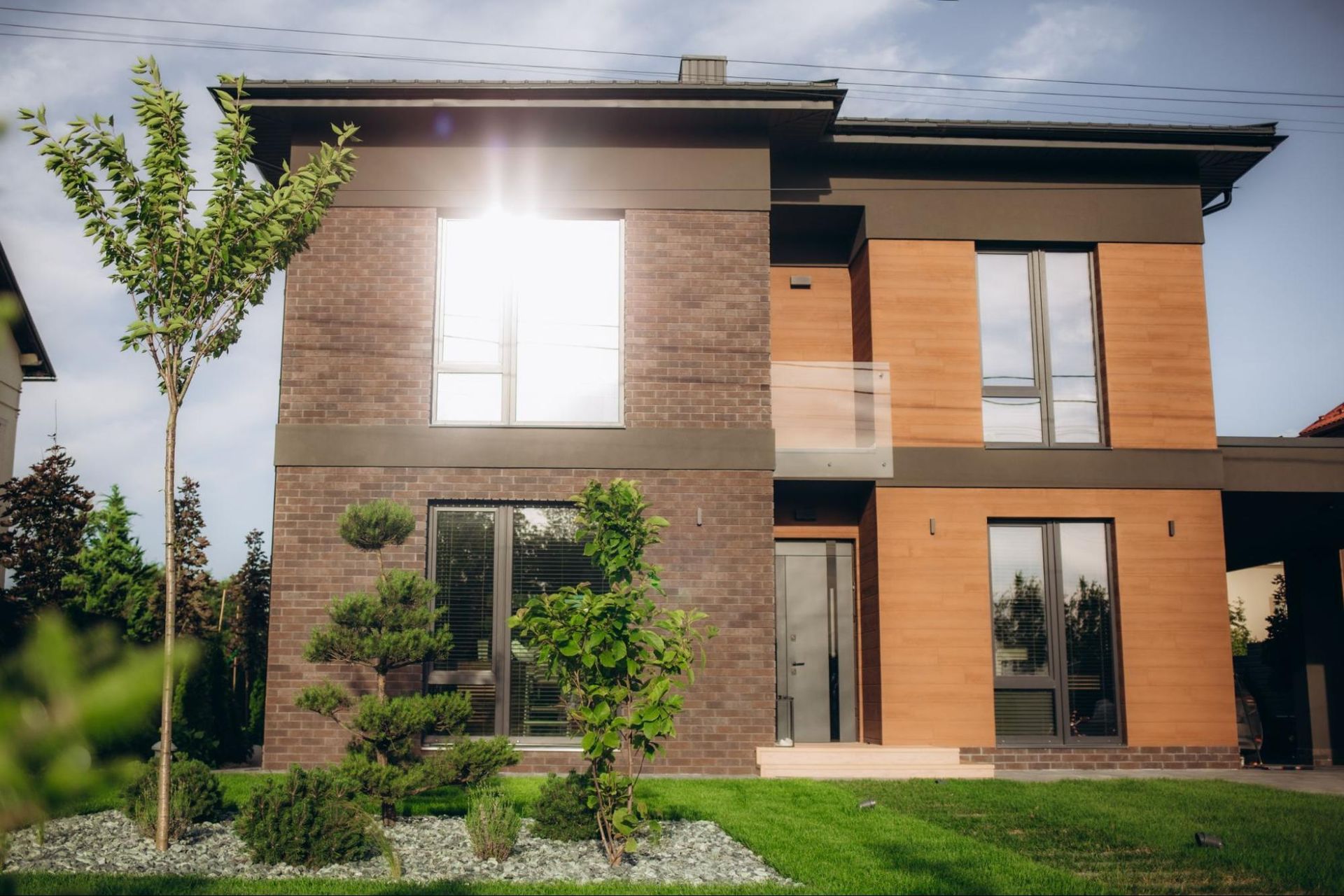
Strong Bones Beat Pretty: Envelope, Access, Ventilation
Silvia shares how owning and remodeling a guesthouse in Cozumel shifted her focus from aesthetics to infrastructure. Marble countertops might impress visitors, but long-term satisfaction comes from what’s behind the walls.
The Hidden Energy Sucker
Thermal envelope issues are one of the biggest overlooked mistakes. Oversizing AC units instead of fixing insulation and sealing gaps leads to wasted energy and higher bills. Preventing thermal bridging and keeping humid air out protects both comfort and cost efficiency.
Plan for Your Future Repairman
Accessibility is key. Plumbing buried under concrete or wiring sealed behind inaccessible walls makes minor repairs expensive and invasive. Designing access panels from the start saves time and money later.
Breathe Without Rotting
Moisture control and ventilation matter, especially in tropical climates. Mold-resistant materials and proper airflow prevent long-term damage and reduce ongoing maintenance headaches.

Silvia Lupone, Owner
Create Digital Twins, Enable Smart Access, Choose Durability
Sean applies logistics thinking to property management. Before drywall goes up, he captures high-definition video of plumbing, electrical, and HVAC routing. This digital twin eliminates guesswork during repairs and reduces unnecessary demolition.
He also highlights smart access systems like WiFi-enabled deadbolts, which allow remote management without expensive hardware. That small upgrade reduces operational friction and improves guest experience.
Durability plays a major role. Choosing commercial-grade finishes in residential projects lowers turnover costs and keeps properties hospitality-ready with minimal intervention.

Sean Swain, Company Owner
Prioritize Maintainable Systems, Consistency, and Documentation
Shawn focuses on maintenance cost over visual appeal.
Properly engineered HVAC and electrical systems reduce breakdowns and complaints. Good insulation and moisture protection lower utility bills and prevent costly repairs.
Consistency across properties also matters. Using the same boilers and AC units simplifies maintenance and reduces repair costs.
Clear documentation and construction history increase resale value and provide stability for investors who prioritize predictable income.

Shawn Zar, Real Estate Investor
LinkedIn, Sell-My-House-Fast.com
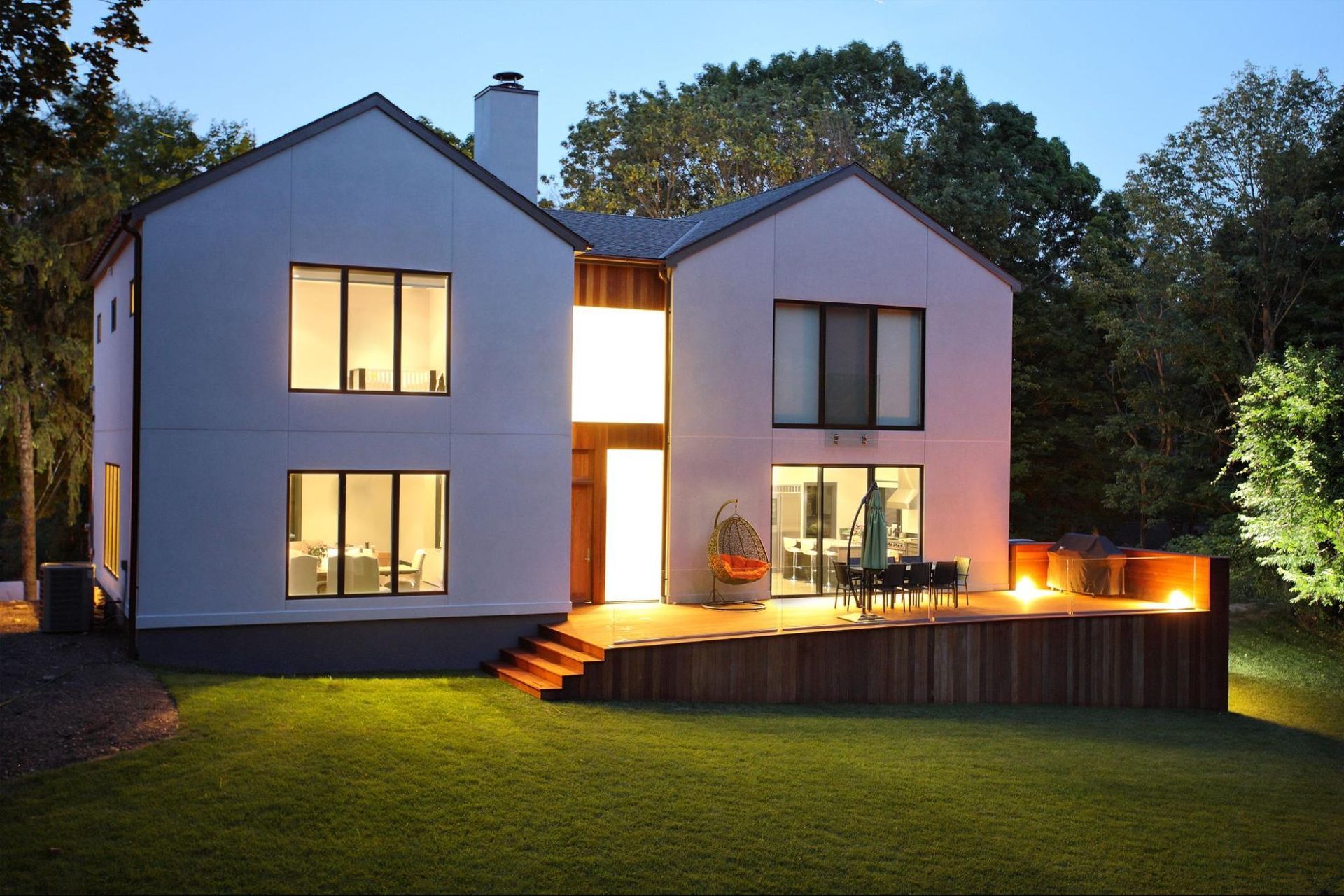
Design for Climate, Seal Tight, Insulate Smart
Nick emphasizes climate-based design over trends. Roof overhangs, solar modeling, and smart shading improve year-round comfort.
Air sealing comes first. A leaky house renders insulation ineffective. Attention to transitions like wall-to-roof joints prevents costly long-term issues.
Strategic insulation placement, especially in attics, delivers better performance. Cost-saving decisions made early create financial breathing room when unexpected expenses arise.

Nick Manfredi, Owner
Final Takeaway
The common thread across all five perspectives is simple: long-term property performance isn’t about what looks impressive on move-in day. It’s about what keeps working five, ten, or twenty years later. The most overlooked operational efficiencies in residential and light commercial construction projects tend to live behind the walls, inside the data, and in the small design decisions that most owners never see.
Digitized procurement records become tomorrow’s maintenance roadmap. A properly sealed envelope quietly lowers utility bills year after year. Accessible plumbing saves thousands in demolition. Consistent equipment simplifies repairs. Climate-aware design prevents problems before they start.
None of these efficiencies are flashy. They don’t show up in listing photos. But they directly shape owner satisfaction because they reduce surprises. Fewer emergency calls. Lower long-term operating costs. Clear documentation when it’s time to refinance or sell.
In the end, the builders and investors who focus on operational efficiencies in residential and light commercial construction projects aren’t just finishing projects. They’re delivering assets that perform reliably over time. And that steady, predictable performance is what owners remember long after the paint dries.

Learn how a TAS/ADA inspection Huntsville helps property owners meet accessibility requirements, prepare for reviews, and avoid costly project delays.

Get a home inspection Fall Creek homeowners trust to find energy loss, improve comfort, lower energy bills, and make smarter home upgrades year round.
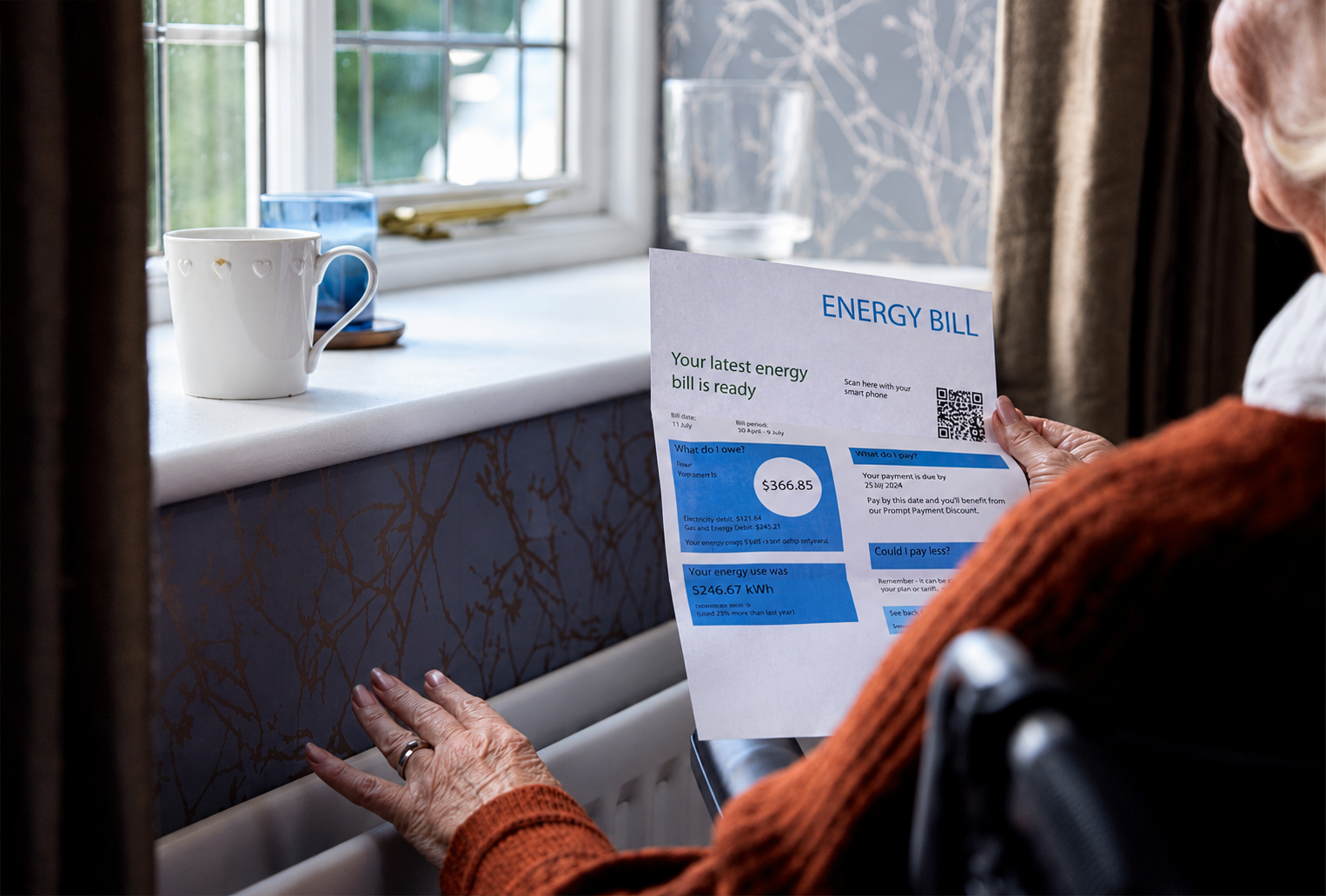
Energy inspection Summerwood services help identify air leaks, insulation issues, and heat transfer to improve home comfort and support energy savings.
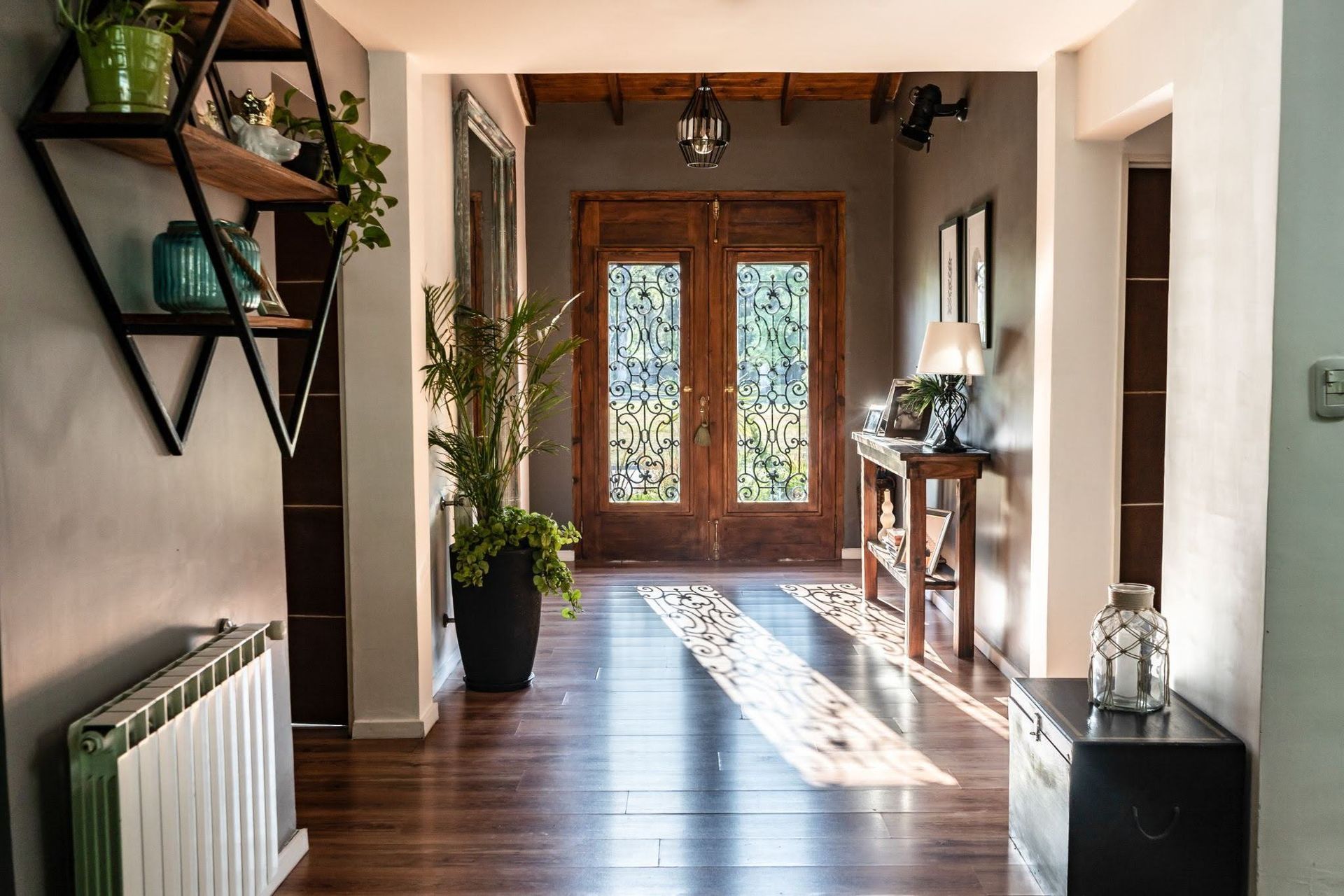
Get reliable home inspection services in Cypress, TX. Learn what TREC standards cover, local soil risks, and how to plan your next move.
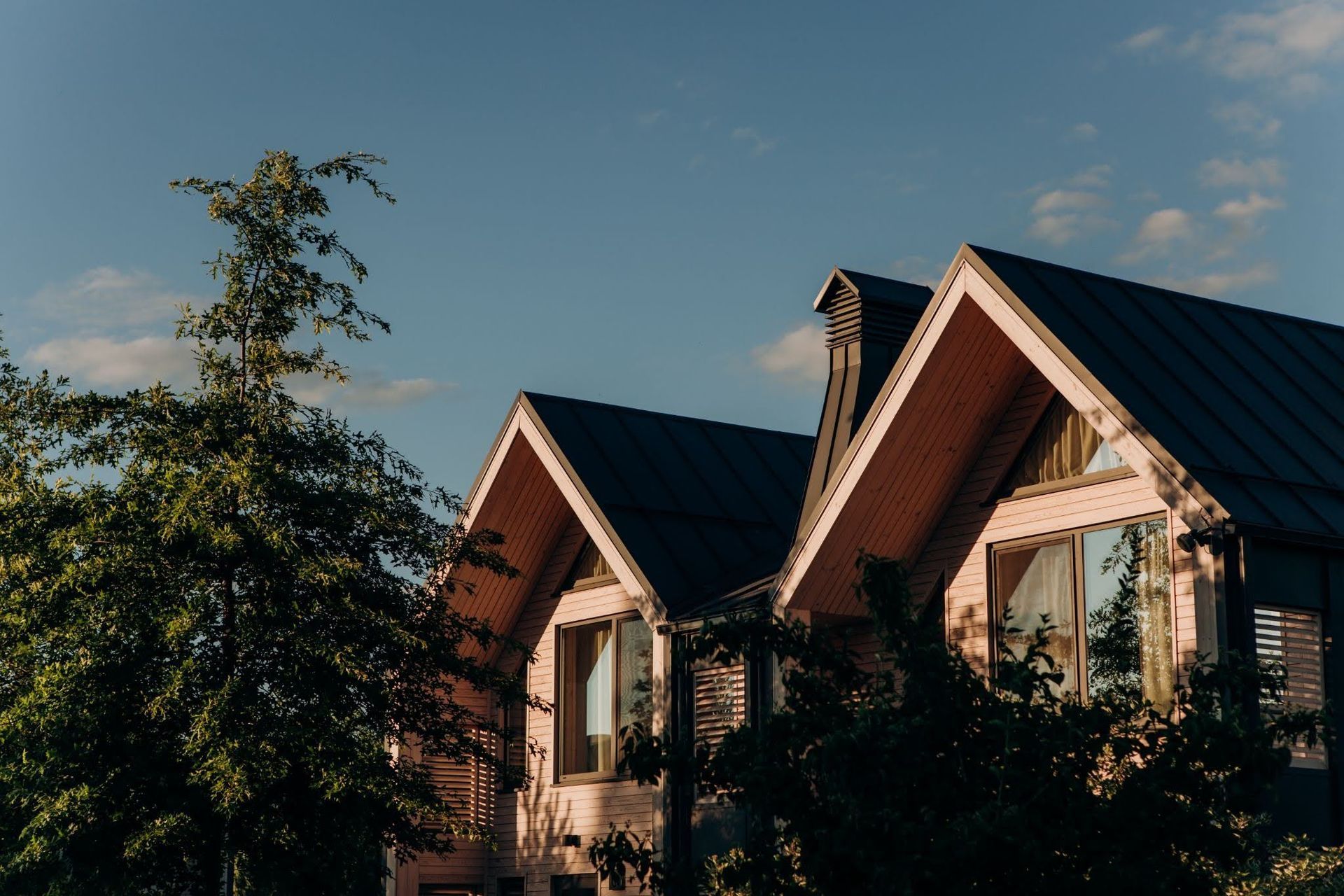
Need a home inspection in New Waverly, TX? Our TREC-licensed team evaluates structural, electrical, and plumbing systems. Schedule today!

Protect your home year-round. Get expert pest control in New Caney, TX for termites, rodents & roaches. Call Accurate Home & Commercial!

Schedule a trusted home inspection in Cleveland TX with Accurate Home and Commercial Services — 26 years of experience protecting your investment.

Looking for a home inspection League City buyers trust? Accurate Home and Commercial Services uncovers foundation, moisture, and structural issues in Galveston County.

Protect your home with expert Huffman Cleveland Rd area pest control. We treat termites, rodents, mosquitoes & more. Call for a free quote today!

Learn about pest control in The Woodlands, common pests, inspection tips, costs, and how to choose a reliable local provider.
