Pest Control Cleveland TX: How Rural Growth Is Expanding the Pest Threat
Cleveland, Texas is changing fast. What was once a quiet East Texas town is now drawing new subdivisions, commercial development, and a steady wave of newcomers from the Houston metro area. That growth is reshaping more than just the roads and rooftops. It is also shifting which pests show up, how often they appear, and how aggressively they spread into both new and established properties.
For homeowners and business owners in the area, this is a real and growing concern. Pest pressure that was once limited to rural acreage is now following development into neighborhoods. At Accurate Home and Commercial Services, we have seen this pattern play out across Greater Houston for over 25 years, and Cleveland is no exception. If you own or manage property there, understanding the pest picture is a smart first step.
Why Cleveland's Growth Is Changing the Pest Picture
Cleveland's development pattern is pushing pests out of their natural habitats and into residential and commercial properties. As forests, wetlands, and open fields are cleared for new construction, the insects, rodents, and wildlife that lived there do not disappear. They relocate, often into the structures being built or the older homes sitting nearby.
This edge effect, where developed land meets natural land, creates a high-pressure zone for pest activity. New construction disturbs the soil, removes ground cover, and generates the moisture and debris that pests are drawn to. Older homes on adjacent lots, many of which were built without modern pest management considerations, become targets from multiple directions at once.
The result is a pest environment that is more varied and more active than it was even a decade ago.
Termites: A Persistent Threat in Expanding Zones
Subterranean termites are common throughout Greater Houston, and Cleveland's moist, clay-heavy soils create conditions where colonies thrive. Development activity accelerates the problem by bringing wood debris, graded soil, and fresh lumber into contact with termite populations that have been active in the surrounding land for years.
New construction is especially vulnerable during the building phase and in the first few years after completion, before landscaping is established and drainage patterns are settled. Older homes nearby face renewed pressure as termite colonies expand their foraging range in response to disturbed ground.
Untreated, termite damage accumulates silently over months and years.
Fire Ants and Imported Invaders Moving Into New Lots
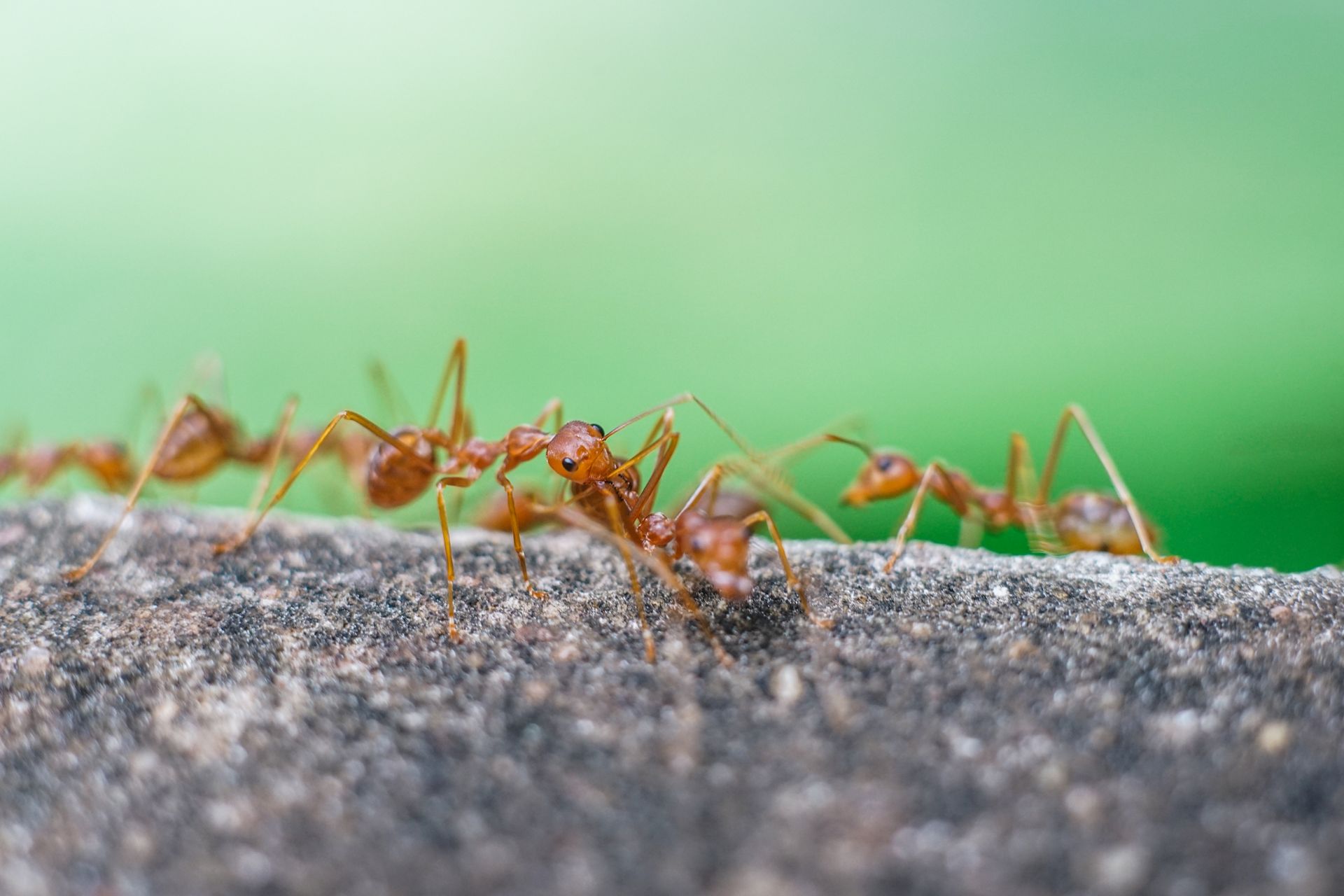
Fire ants follow disturbed soil. Grading, trenching, and lot clearing during construction create exactly the kind of loose, open ground where fire ant colonies establish quickly. Cleveland's active construction zones have become prime entry points for these aggressive insects.
Fire ants do not stay confined to bare lots. They spread into lawns, gardens, driveways, and structures as development fills in around them. Their mounds can damage irrigation lines, electrical equipment, and HVAC components in addition to posing a physical risk to people and pets.
Older neighborhoods bordering new development report increased fire ant pressure as colonies migrate outward.
Rodents Displaced by Land Clearing
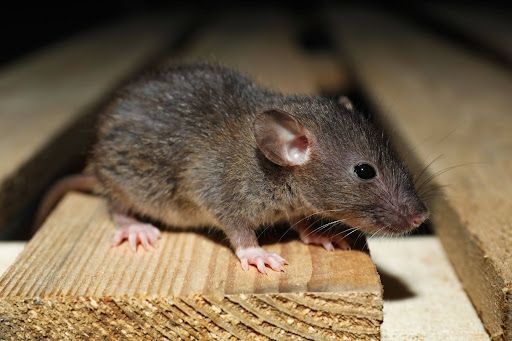
When land is cleared for construction, the rats and mice that lived there look for new shelter. Nearby structures, both new and old, become the most attractive option. Cleveland's expansion into previously undeveloped corridors has contributed to increased rodent pressure across the area.
Rodents enter through gaps in foundations, rooflines, utility penetrations, and garage door seals. Once inside, they nest in insulation, chew wiring, and contaminate stored materials. The problem tends to intensify in fall and winter as temperatures drop and outdoor food sources diminish.
Identifying entry points early is one of the most practical steps a property owner can take.
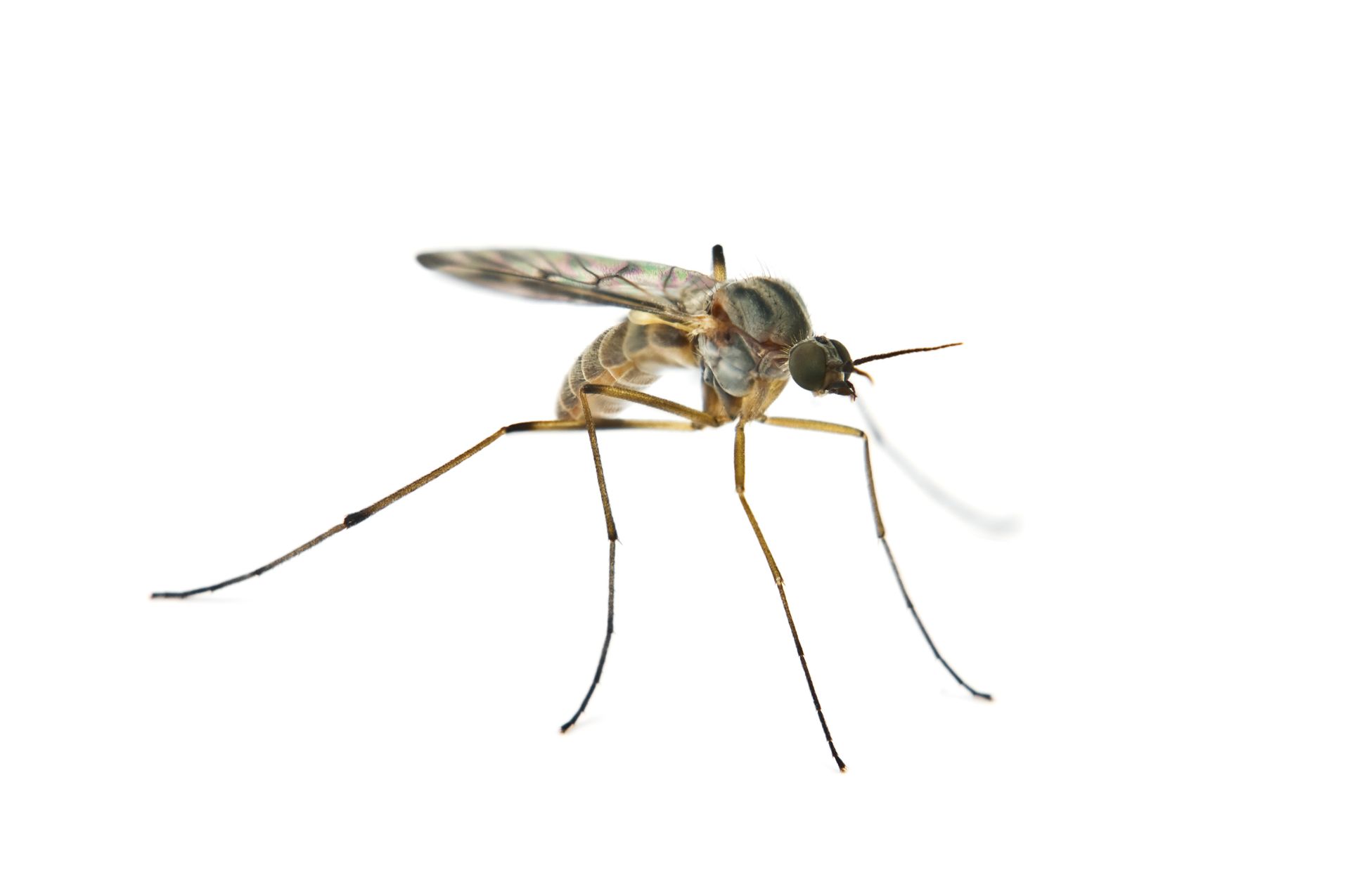
Mosquitoes and Standing Water in Developing Areas
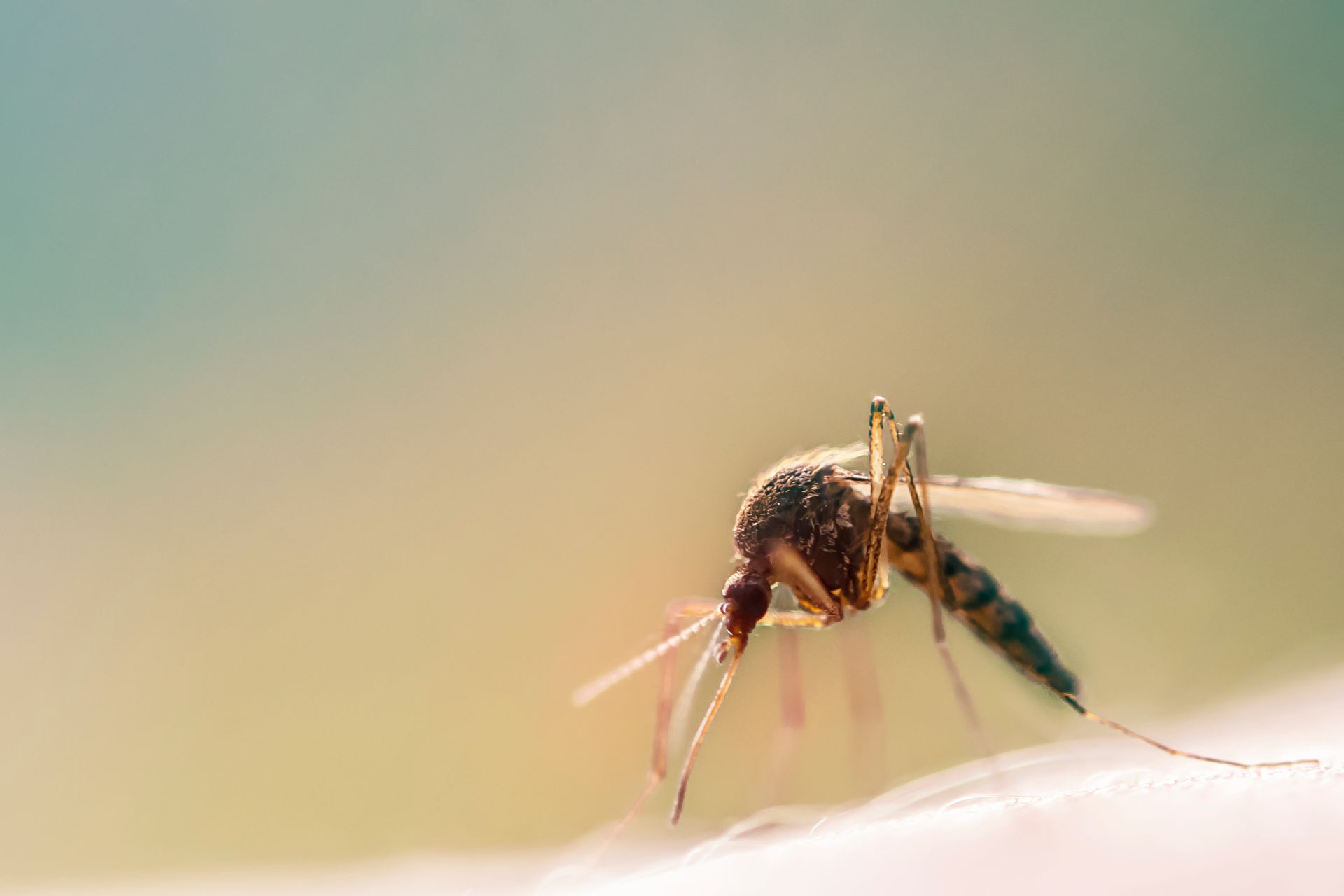
New construction disrupts natural drainage, and the result is often standing water in areas where it did not previously collect. Low spots in graded lots, retention ponds, roadside ditches, and poorly drained foundations all become mosquito breeding sites.
Cleveland's proximity to the San Jacinto River watershed means the area already has significant natural mosquito pressure. Development adds to it by creating new water accumulation points that did not exist before grading and construction altered the terrain.
Mosquito populations peak in the warmer months but can remain active well into fall in Southeast Texas.
Cockroaches: A Year-Round Problem in Humid Climates
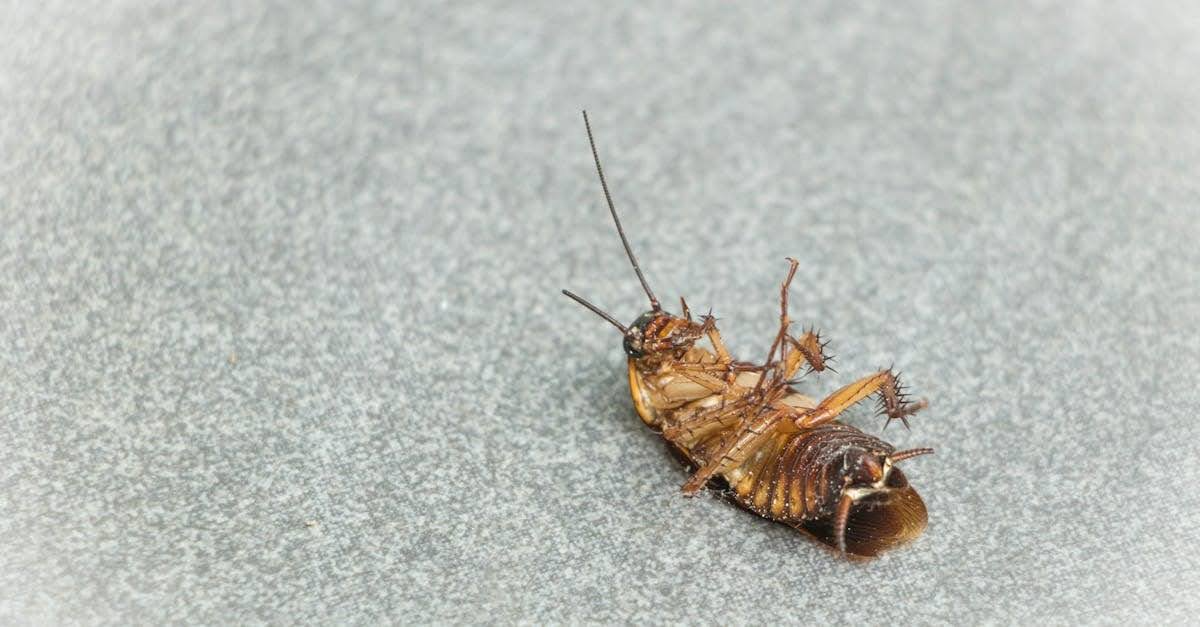
American cockroaches, the large reddish-brown species common across Houston, thrive in Cleveland's warm, humid conditions. They move freely between outdoor environments and structures, entering through drains, foundation gaps, utility lines, and door seals.
Construction activity increases cockroach pressure by generating organic debris and disrupting drainage. Older homes with aging plumbing, deteriorating seals, or crawl space access are particularly vulnerable.
Cockroaches are active year-round in this climate, though populations tend to spike in summer.
Bed Bugs and the Risks of High-Turnover Housing
Cleveland's population growth has increased the turnover of rental properties and short-term housing. Bed bugs travel with people and their belongings, and properties with frequent occupancy changes face higher exposure.
Bed bugs do not discriminate by property age or condition. They establish in new apartments as readily as in older rental homes. Detection is difficult without trained eyes, and populations grow quickly once established.
Property managers in high-turnover housing should include pest awareness in their routine maintenance planning.

How New Construction Standards Affect Pest Entry Points
Modern building codes address some pest risks, but not all of them. TAS and ADA inspections and IECC energy inspections focus on accessibility and energy performance, not pest exclusion. That means new construction can still have gaps, unfinished penetrations, and drainage issues that create pest entry points.
Home and commercial inspections that include a pest component help catch these vulnerabilities before they become expensive problems. A building that passes code can still have conditions that invite pest activity.
Understanding what was and was not covered in your property inspection is worth knowing before problems arise.
What Property Owners in Cleveland Should Do Now
Proactive pest management in Cleveland starts with understanding your property's specific conditions. Soil type, drainage patterns, proximity to wooded areas, and the age of your structure all shape the pest risks you face.
Our pest control services are built around the actual conditions of Greater Houston properties, including the shifting pest pressures that come with growth in areas like Cleveland. Larry Fleming, TREC #4860, leads our team with over 25 years of inspection and pest control experience in this region.
We serve clients Monday through Friday, 8 a.m. to 5 p.m., from our office at 18376 Cooper Rd, Conroe, TX 77302.
Conclusion: Pest Control Cleveland Property Owners Can Count On
Cleveland's growth is bringing opportunity and new challenges at the same time. The pest pressures expanding alongside new development are real, and they affect properties of all ages and types. Staying ahead of them means knowing what to look for and working with people who know this region.
Accurate Home and Commercial Services has been serving Greater Houston for over 25 years. We know the pest patterns, the soil, and the climate that shape pest activity in areas like Cleveland. If you are ready to take a closer look at your property, get a free quote and let us help you figure out where to start.
What pests are most common in Cleveland, TX?
Subterranean termites, fire ants, American cockroaches, rodents, and mosquitoes are the most frequently reported pests in the Cleveland area. The region's humidity, clay soils, and proximity to wooded land create favorable conditions for all of them. Development activity in and around Cleveland has expanded the range of these pests into both new and older properties over recent years.
Does new construction in Cleveland attract more pests?
Yes. Land clearing, grading, and construction activity disturb soil and displace the insects and rodents that lived there, pushing them into nearby structures. New buildings also introduce fresh lumber, moisture, and debris that certain pests are drawn to. Properties built near previously undeveloped land face elevated pest pressure during and after the construction phase.
How does Cleveland's rural setting affect pest control needs?
Cleveland's location at the edge of the Greater Houston metro area means properties sit close to natural habitat. That proximity increases exposure to a wider range of pests than urban properties typically face. Termites, rodents, wildlife, and stinging insects all move more freely across this kind of terrain, and pest control approaches need to account for that ongoing pressure from surrounding land.
Is pest control in Cleveland different for older homes versus new builds?
The risks differ by property type. Older homes may have aging seals, settled foundations, and outdated construction details that create more entry points. New builds face vulnerability during the construction phase and while landscaping and drainage are being established. Both benefit from pest management, but the specific focus areas vary based on the age, condition, and location of the structure.
When should I call a pest control company in Cleveland, TX?
You do not need to wait until you see active pests. Signs like mud tubes near a foundation, rodent droppings, unusual moisture around a crawl space, or unexplained structural damage are all reasons to reach out. Pest pressure in Cleveland has increased alongside development, and getting ahead of it before an infestation takes hold is a practical approach for any property owner in the area.