Ian Smith, Co-Founder
Innovative Approaches Property Service Companies Use to Streamline Operations and Maximize Value
Edward Fisher • December 2, 2025
Property service companies are under constant pressure to manage maintenance, renovations, and tenant communication in smarter, more efficient ways. When the goal is long-term property value, every improvement has to earn its keep. The following insights highlight innovative approaches property service companies use to streamline operations and maximize value based on practical, real-world expertise.
Quick Summary of the Strategies
- Targeted manufactured home renovations that support affordable families
- Fair, all-in-one solutions that simplify sales and repairs for distressed owners
- Tenant-driven renovation planning tied to real needs and retention
- Stabilization-first repairs that keep tenants longer and reduce emergencies
- IoT, AI, and sustainability tech that turn maintenance into a predictive system
Targeted Renovations for Manufactured Homes
Many property service companies try to apply a one-size-fits-all renovation plan. Manufactured homes, however, need different attention than traditional builds, and focusing on those unique needs can create huge efficiency gains. Ian Smith explains this clearly:
“My experience as an agent showed me what families in the affordable housing market truly value, so I've built our renovation process around those specific needs. We created a standard checklist focusing on the unique aspects of manufactured homes--like reinforcing floors and upgrading insulation--that provides durability and energy savings.”
There’s a simplicity to this approach that saves time and cuts friction. Instead of reinventing the wheel on every property, a standard checklist keeps the team aligned and reduces decision fatigue. Reinforcing floors, for instance, isn’t just structural — it prevents future maintenance calls. Better insulation doesn’t just lower utility costs — it also improves tenant satisfaction, which helps retention.
When property service companies invest in upgrades that make a real difference to daily comfort, they avoid wasteful spending on cosmetic fixes that don't move the needle. Smith’s method centers every improvement around long-term livability, which is exactly how you maximize property value in affordable housing. The work becomes smoother, predictable, and more meaningful, both for families and for long-term investors.
All-In-One Repairs That Simplify Operations
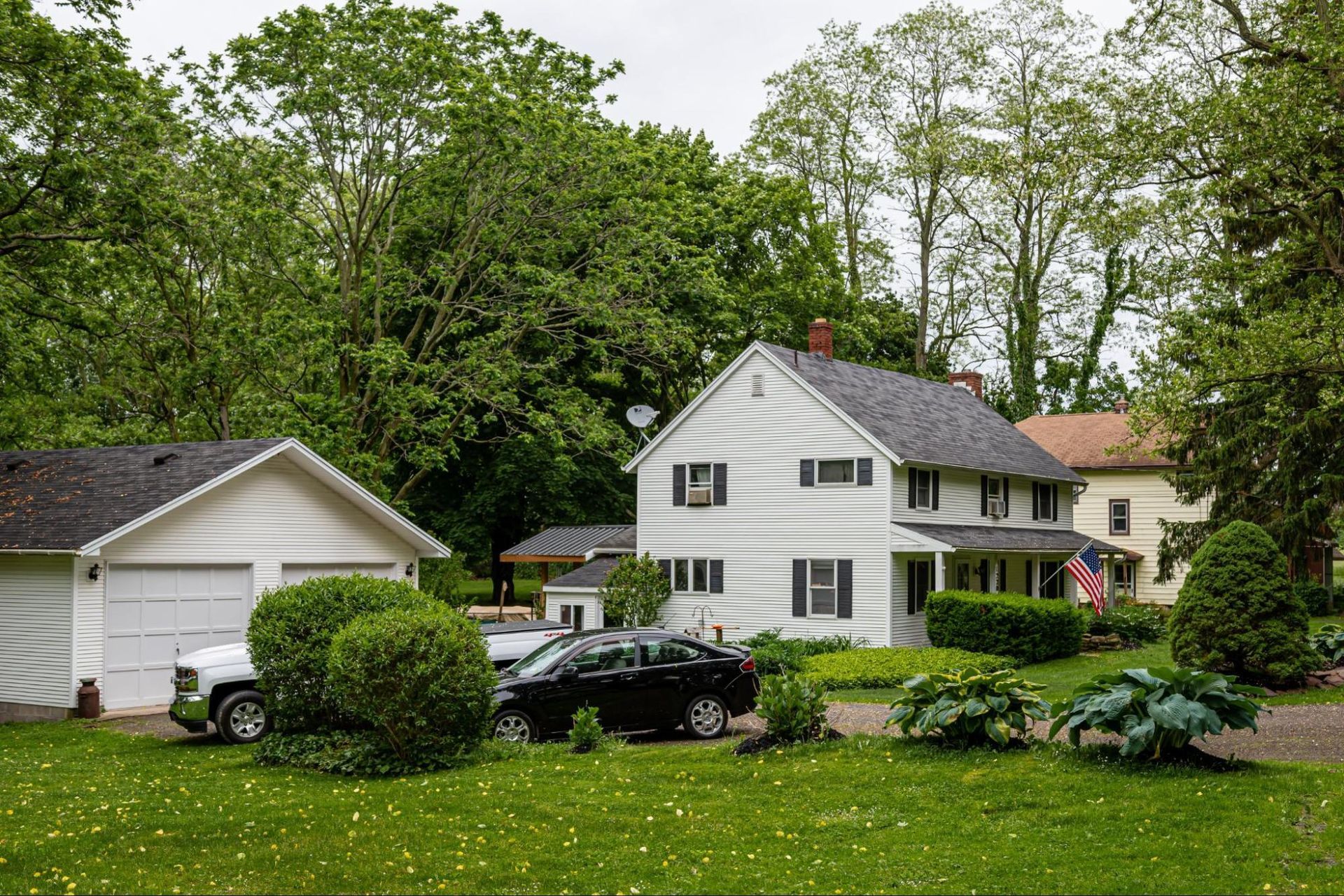
Distressed properties bring complexity. Sellers are often overwhelmed by repairs, clean-outs, or legal hurdles, and renovation teams lose time trying to patch everything together. Chris Mignone breaks down a simple but powerful solution:
“We provide a single, fair offer that includes handling all necessary repairs and even property clean-outs, which streamlines the entire renovation process for our team from day one.”

Chris Mignone, Co-Founder
LinkedIn, Madison County House Buyers
This approach reduces friction on both sides. When a company takes full responsibility from the beginning, the process becomes more predictable, and the renovation team can start immediately without dealing with fragmented tasks.
Companies that adopt this method often see:
- Faster turnover times
- Lower coordination costs
- Fewer surprises once work begins
Mignone calls it a “win-win,” because distressed sellers feel supported while investors gain a smoother path to unlocking long-term value. Streamlining starts with removing the barriers that slow teams down.
Using Tenant Feedback to Guide Renovation Priorities
Instead of guessing what tenants want, smart property service companies ask them. Paul Myers explains how this shifted his operations:
“We now create simple digital surveys asking tenants what improvements matter most to them, like upgraded appliances or energy-efficient windows. This feedback loop helps us prioritize renovations that actually boost retention and value.”
Tenant-led insight might be the most underrated innovation in property operations. It removes the guesswork. When upgrades match lived experience, retention rises, and turnover costs drop.
Myers also points to bundled vendor partnerships:
“One trusted contractor handles all our landscaping across properties, which simplifies scheduling and builds efficiency into daily operations.”

Paul Myers, Founder
By consolidating services, companies reduce administrative drag and build stronger relationships with vendors who understand their portfolio. That creates consistency, speed, and lower costs — a combination that strengthens long-term value in any rental operation.
Stabilize-First Repairs That Protect Value
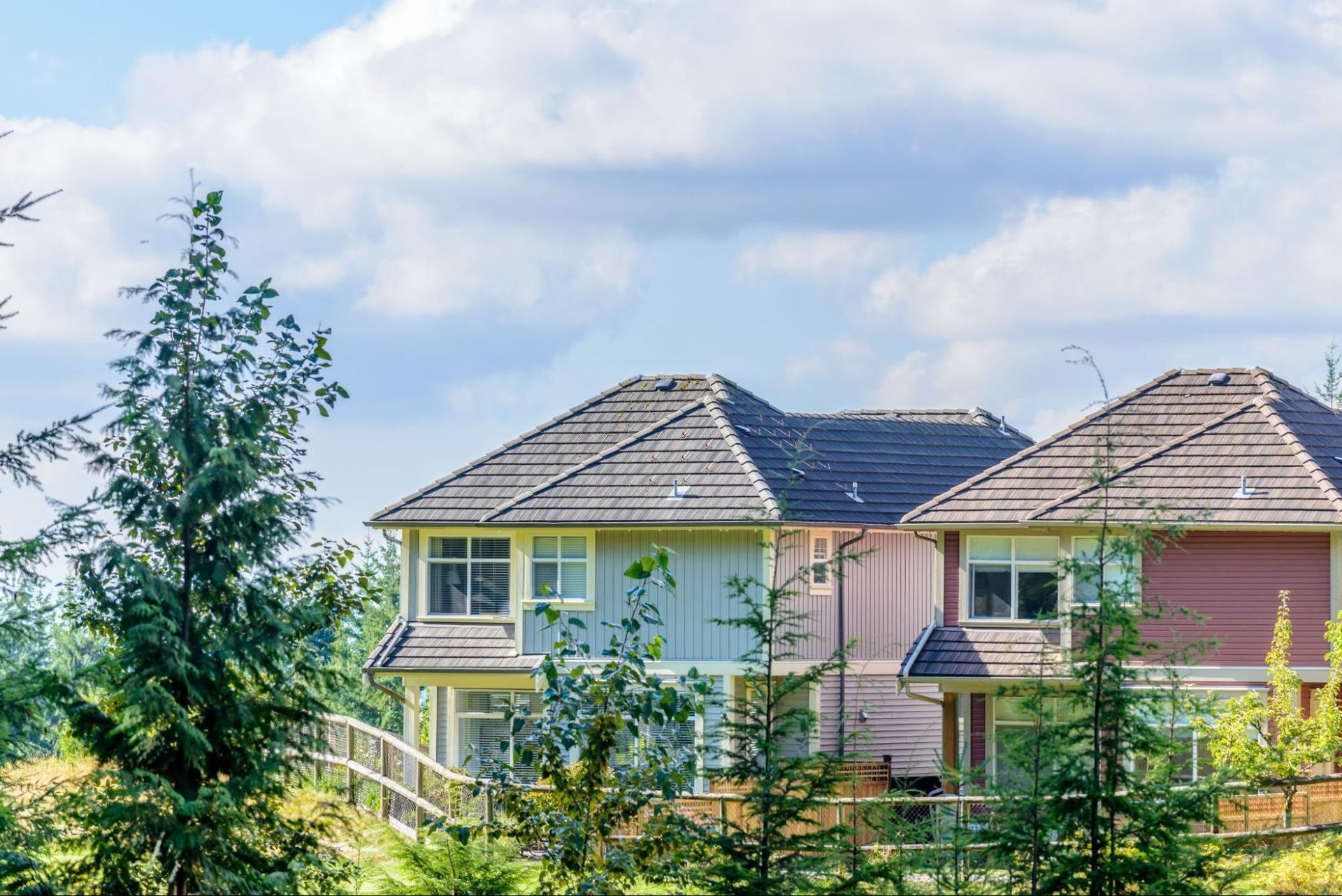
Many investors chase cosmetic upgrades first, but Anthony Warren argues the opposite:
“We immediately address foundational issues like roofing, electrical, and plumbing before cosmetic updates. This prevents recurring maintenance headaches and builds tenant confidence when we personally explain these critical upgrades during move-in.”
This strategy is smart because foundational issues cause the biggest long-term losses. Roof leaks become structural rot. Outdated electrical becomes a safety hazard. Plumbing issues lead to mold remediation. By fixing these early, companies reduce emergencies, cut repair costs, and create safer homes.
Warren gives a real example:
“After fixing structural problems upfront in a Clarksville inheritance property, we've seen tenants stay 40% longer and report fewer emergencies, which directly preserves long-term value through stable occupancy and lower repair costs.”

Anthony Warren, Founder
LinkedIn, Integrity House Buyers
Stability creates value. Fewer emergencies mean teams spend less time scrambling and more time planning improvements that hold their value over time.
Tech-Driven Predictive Maintenance for Efficiency
Modern property service companies are increasingly turning to IoT, AI, and automation to get ahead of problems before they escalate. Dhari Alabdulhadi highlights several advancements:
“Integrating IoT sensors for predictive maintenance helps spot leaks, energy waste, or system failures before they become very expensive to fix. AI-based platforms can automate the entire maintenance workflow, instantly assigning the right technician.”
Predictive maintenance is one of the clearest examples of innovative approaches property service companies use to streamline operations and maximize value. It transforms maintenance from reactive to proactive.
Alabdulhadi goes deeper:
“Digital twin models… support virtual planning, budget forecasting, and sustainability testing before any physical work starts.”
This makes renovation planning smoother and more cost-effective. And on the tenant side:
“Self-service portal and AI chatbots streamline communication, rental payments, monitor requests, making people happier.”

Tech that solves communication gaps is an operational gift for both tenants and management teams.
Final Takeaway
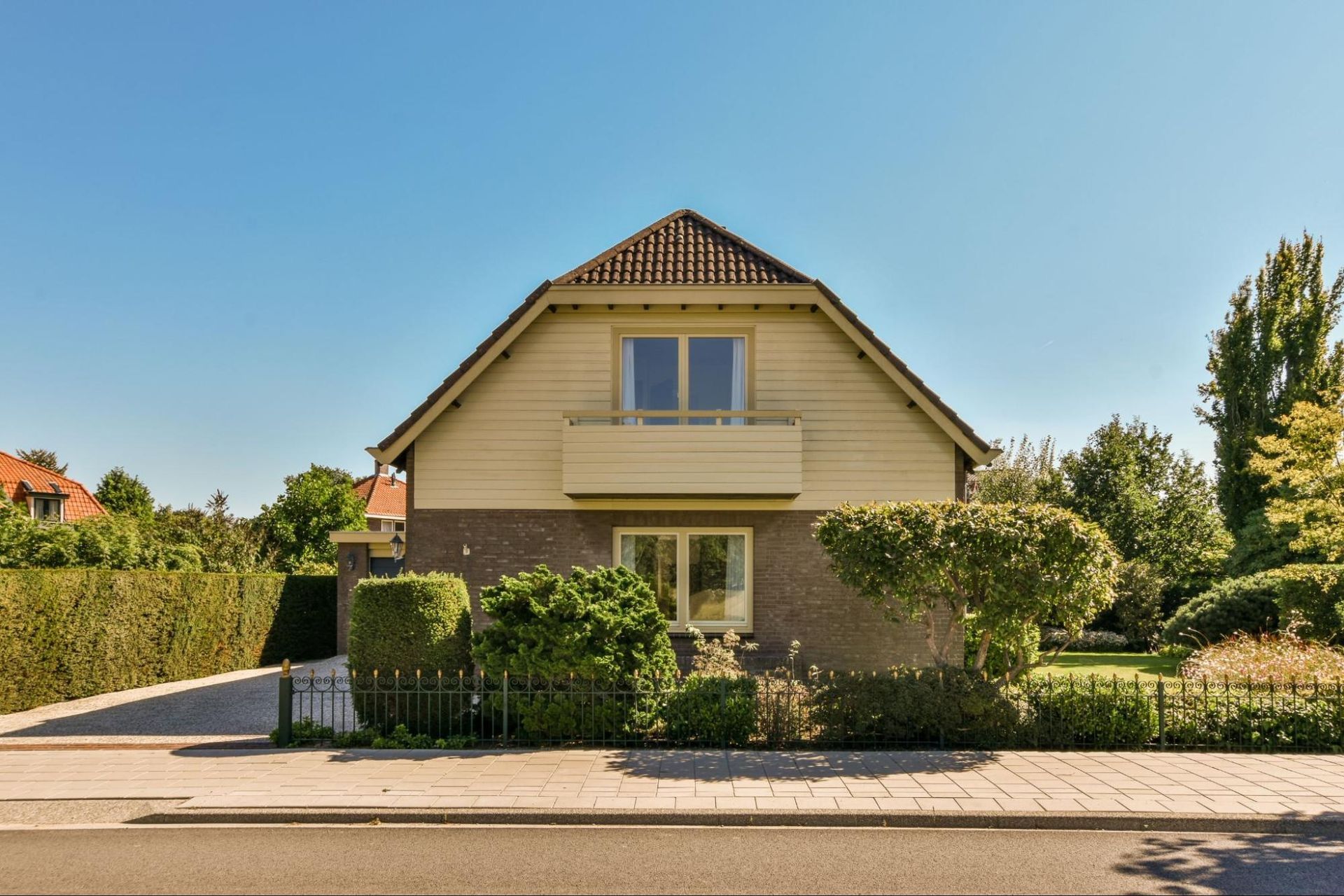
When you look at all five strategies together, a common theme emerges: real innovation comes from solving everyday friction. Whether it’s targeted renovations, all-in-one solutions, tenant-driven planning, stabilization-first repairs, or predictive tech, these methods show how innovative approaches property service companies use to streamline operations and maximize value are already reshaping the industry.
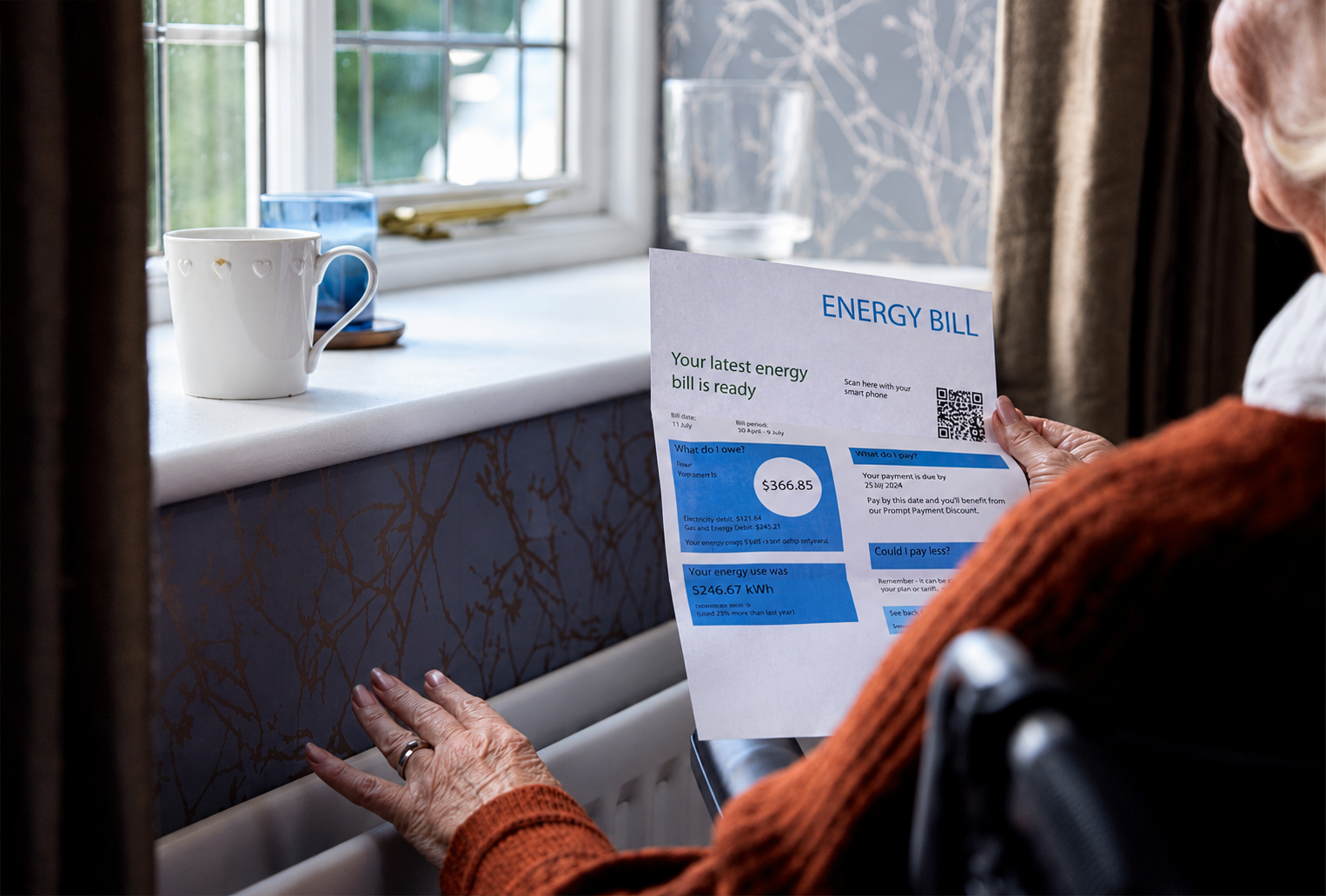
Energy inspection Summerwood services help identify air leaks, insulation issues, and heat transfer to improve home comfort and support energy savings.

Get reliable home inspection services in Cypress, TX. Learn what TREC standards cover, local soil risks, and how to plan your next move.

Need a home inspection in New Waverly, TX? Our TREC-licensed team evaluates structural, electrical, and plumbing systems. Schedule today!

Protect your home year-round. Get expert pest control in New Caney, TX for termites, rodents & roaches. Call Accurate Home & Commercial!

Schedule a trusted home inspection in Cleveland TX with Accurate Home and Commercial Services — 26 years of experience protecting your investment.

Looking for a home inspection League City buyers trust? Accurate Home and Commercial Services uncovers foundation, moisture, and structural issues in Galveston County.

Protect your home with expert Huffman Cleveland Rd area pest control. We treat termites, rodents, mosquitoes & more. Call for a free quote today!

Learn about pest control in The Woodlands, common pests, inspection tips, costs, and how to choose a reliable local provider.

Discover pest control in Conroe, including termite risks, service options, and what to consider when choosing a local exterminator.

Cleveland TX growth is expanding pest threats. Accurate Home and Commercial Services helps property owners stay ahead of termites, rodents, and more.
